Another Google I/O developer conference is upon us. As it has every year since the event started in 2008, Google will share its road map for its various software and AI platforms with the public.
If I/O 2025 was any indication, we expect updates on the progress of Android XR, the company’s AR and XR platform for smart glasses and headsets, as well as endless announcements about Gemini and the Veo video generator. Google should also have some news on the next version of its mobile OS, Android 17.
Since I/O is a developer-focused conference, it’s unlikely the company will announce major hardware. The Pixel 11 series is not expected until later in the summer. If anything, we’re more likely to see prototypes. Maybe we’ll catch Google and Xreal’s “Project Aura” AR glasses or a pair of Android XR glasses?
The Google I/O 2026 keynote kicks off on May 19 at 1 p.m. ET / 10 a.m. PT. Gizmodo will be live blogging the whole thing. Senior Editor of Consumer Tech Raymond Wong will cover the event live and check out demos afterward. Definitely bookmark this page if you want minute-by-minute updates on all the latest Google news.
So Long, Google I/O 2026
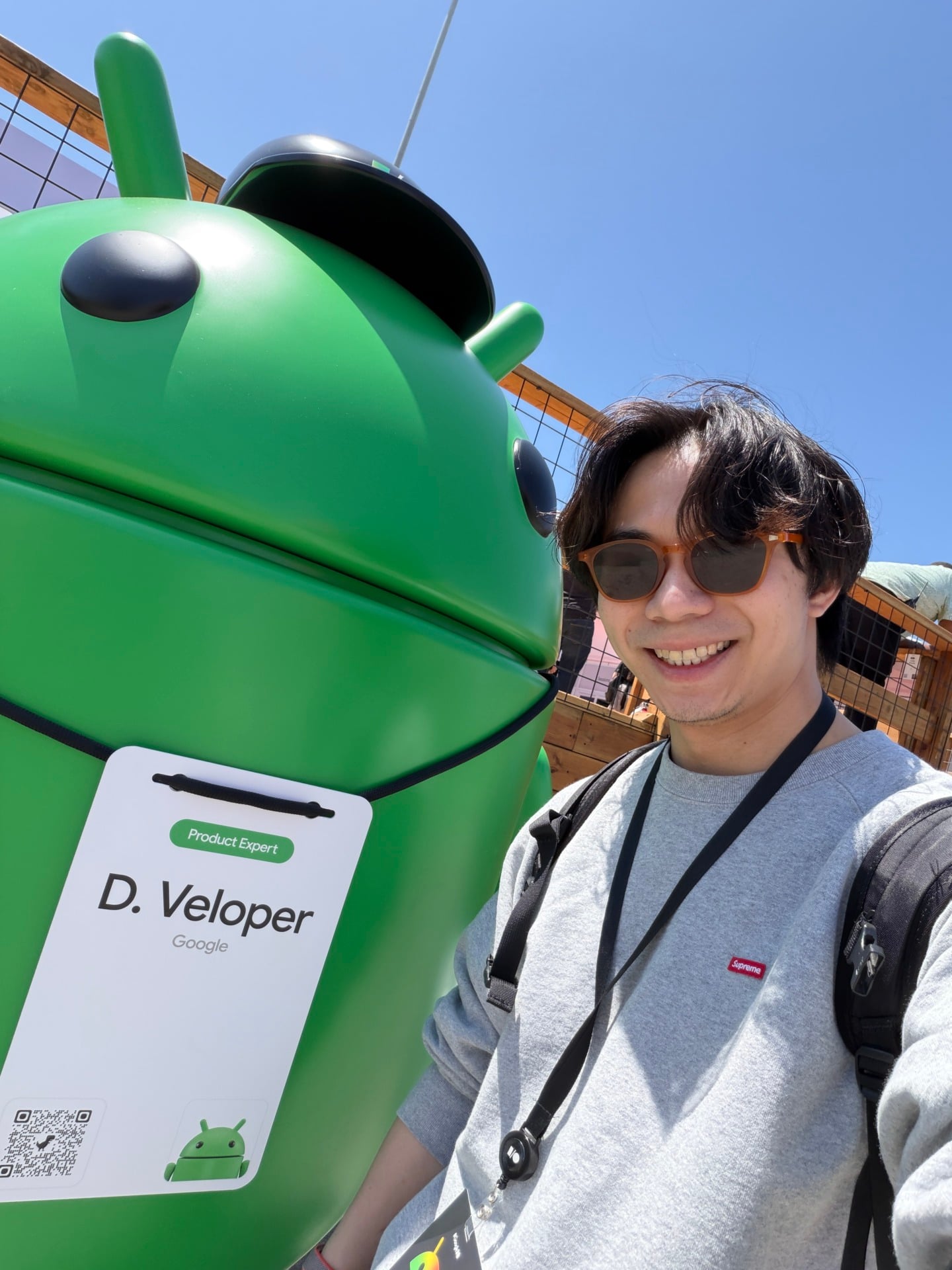
That’s a wrap on Google I/O 2026! We’ve got a lot of work ahead to make sense of all the Gemini announcements Google dropped. I’ll be back next year. For now, I can’t wait to return home to New York City and see my cats. I miss those little monsters. —Raymond Wong
Another Rushed Demo of Google’s Smart Glasses

I tried “Gemini Intelligence” on Google’s prototype smart glasses again. At least I got more than 90 seconds this time.
There’s some utility to having Gemini provide computer vision and audio information just by looking at stuff, but Google seems to be downplaying the tiny built-in screen in these next-generation smart glasses. Maybe to avoid comparisons with Google Glass?
I’m also not sure what value there is to asking Gemini to use Nano Banana to AI slop-ify photos taken with the smart glasses’ camera. Just look at this abomination:
I demoed Gemini Intelligence on Google's prototype, screen-equipped smart glasses. I was told to ask Google Nano Banana to take my selfie and then "put me on the moon"
The AI put me on the moon and also made me look more white
Just look at my face. It's completely different pic.twitter.com/ed4aPQrNrS
— Ray Wong (@raywongy) May 20, 2026
Seriously, WTF is this?! —Raymond Wong
“Get Your AI Photo Taken”
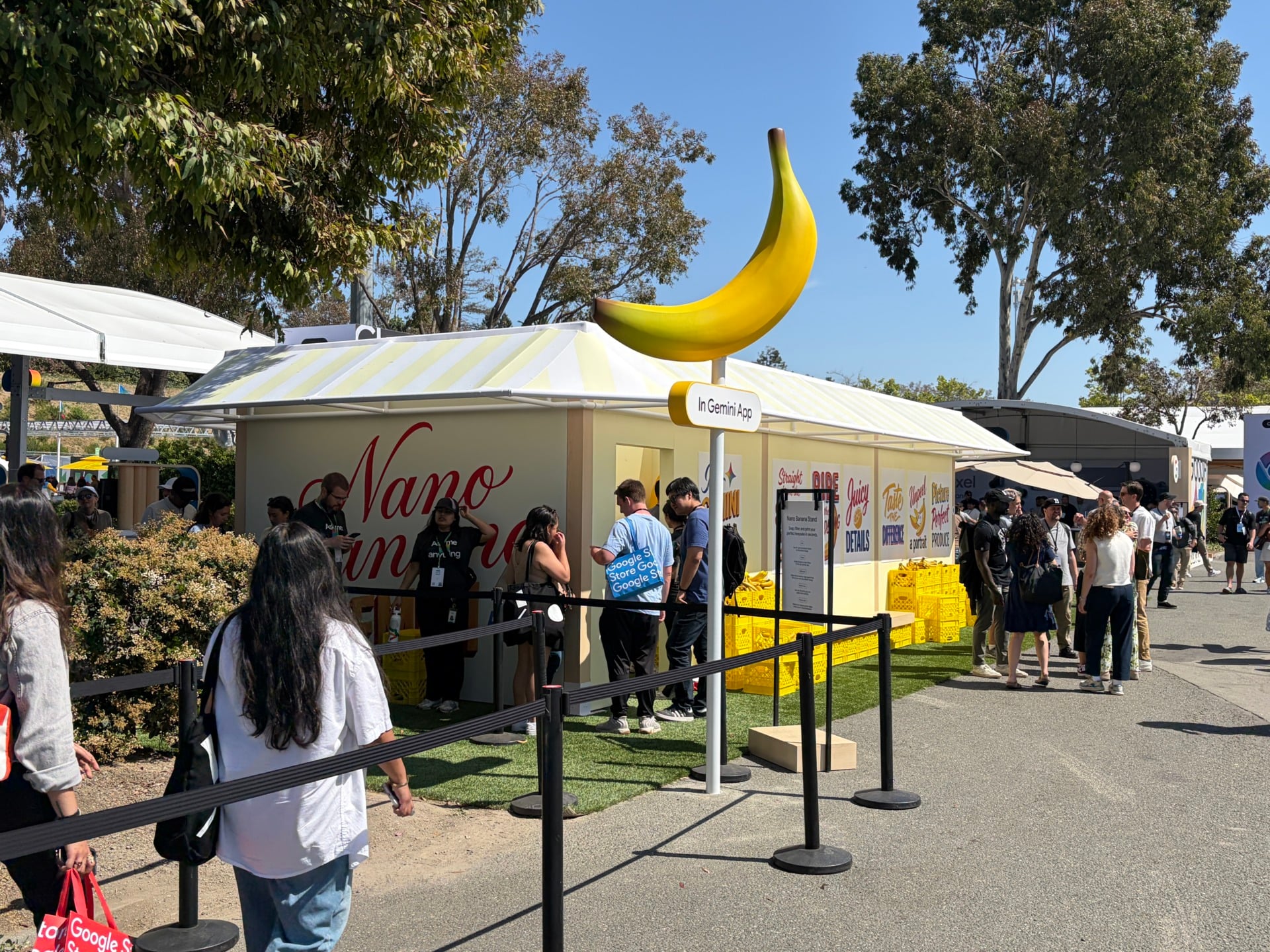
It’s pretty quiet on day two of I/O. Except this booth. There’s a staff member outside the Nano Banana image generation booth shouting “get your AI photo taken.” It’s kind of depressing. —Raymond Wong
Google Hopes Android Devs Port to Googlebook
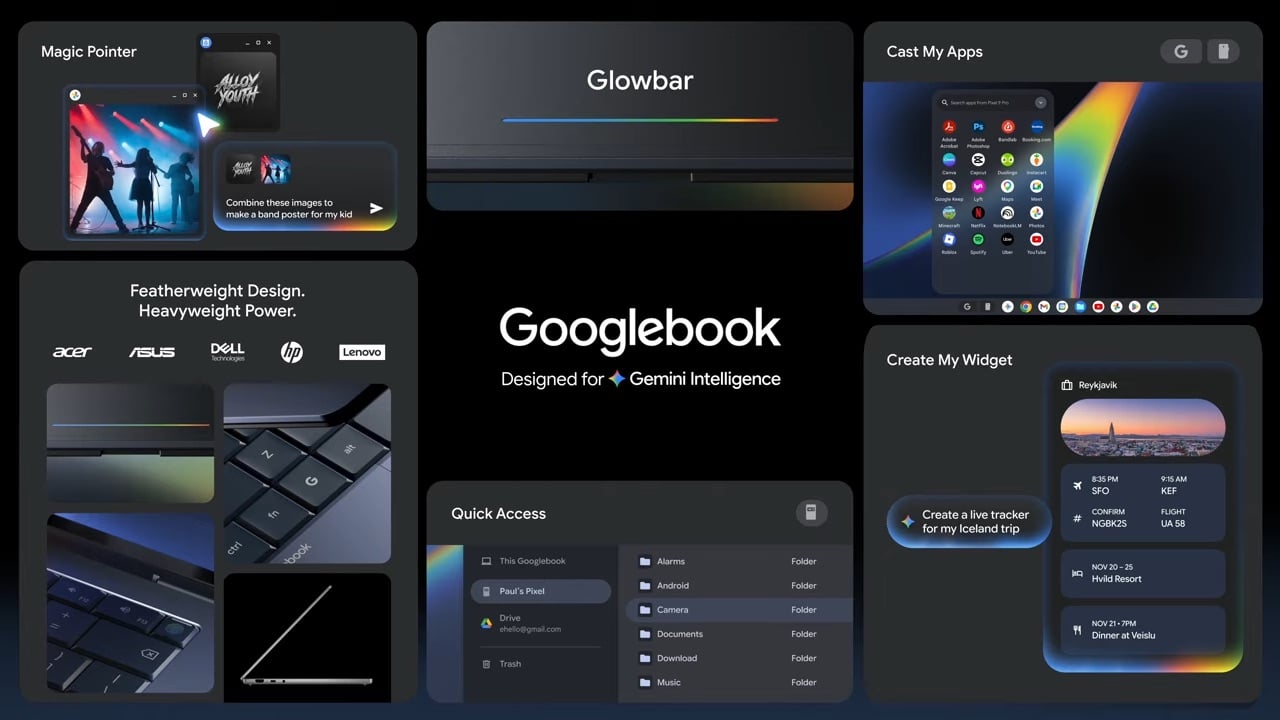
We still don’t know much about the upcoming slate of Googlebooks. They’re supposed to be more “premium” than previous Chromebooks and also let you mirror your phone’s Android apps on your desktop. Once you dig into Google’s latest developer blogs, the picture becomes clearer. Google is desperately trying to entice devs to make apps for Googlebooks and the “next generation of ChromeOS.” By the look of things, Google is trying to make Googlebooks a part of a wider Android ecosystem that will share apps in between devices. —Kyle Barr
Wear OS 7 Is Mainly a Screen for Smart Glasses
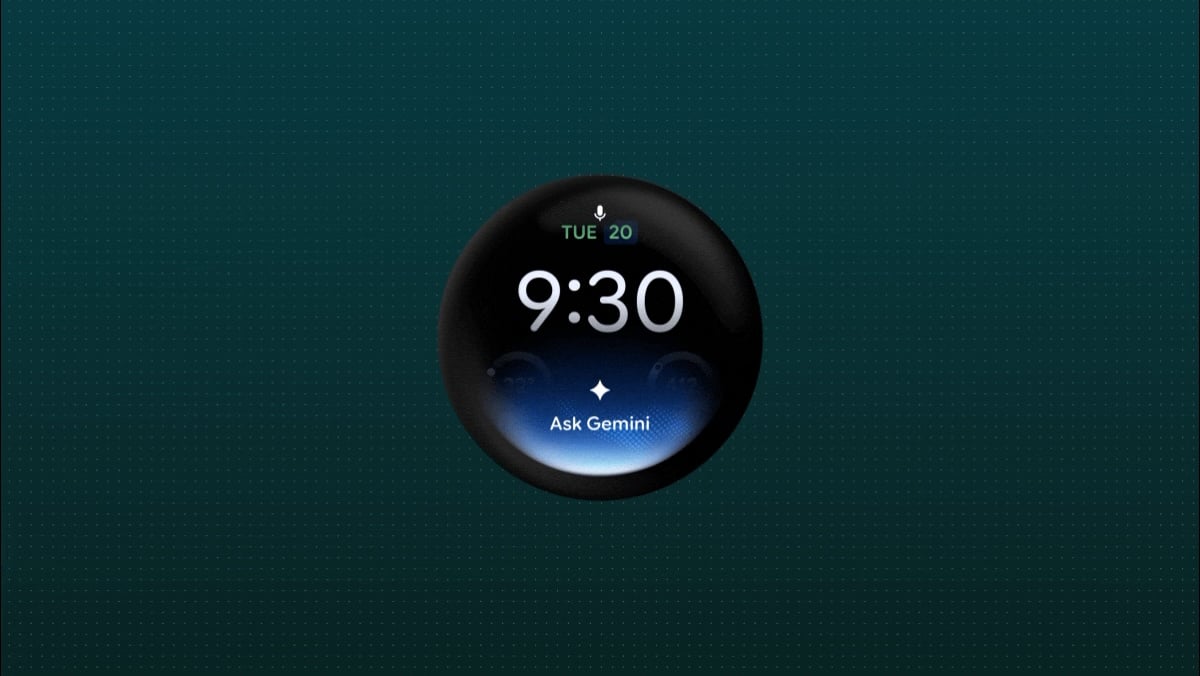
None of the execs who came on stage during the entire two hours of the I/O keynote bothered to address Android 17, let alone the forlorn Wear OS platform. Google’s Android dev blog digs into a few more details about what’s actually coming to Android-based wearables, and most features have to do with AI and smart glasses. Users will be able to talk to their smart glasses when they want to complete tasks like ordering from Grubhub. The tasks then go to your phone to complete the order on your behalf. You’ll then see an icon on your watch asking you to complete the order. There are a few other features coming to Wear OS, such as more customizable media controls. —Kyle Barr
I Tried the Project Aura XR Smart Glasses
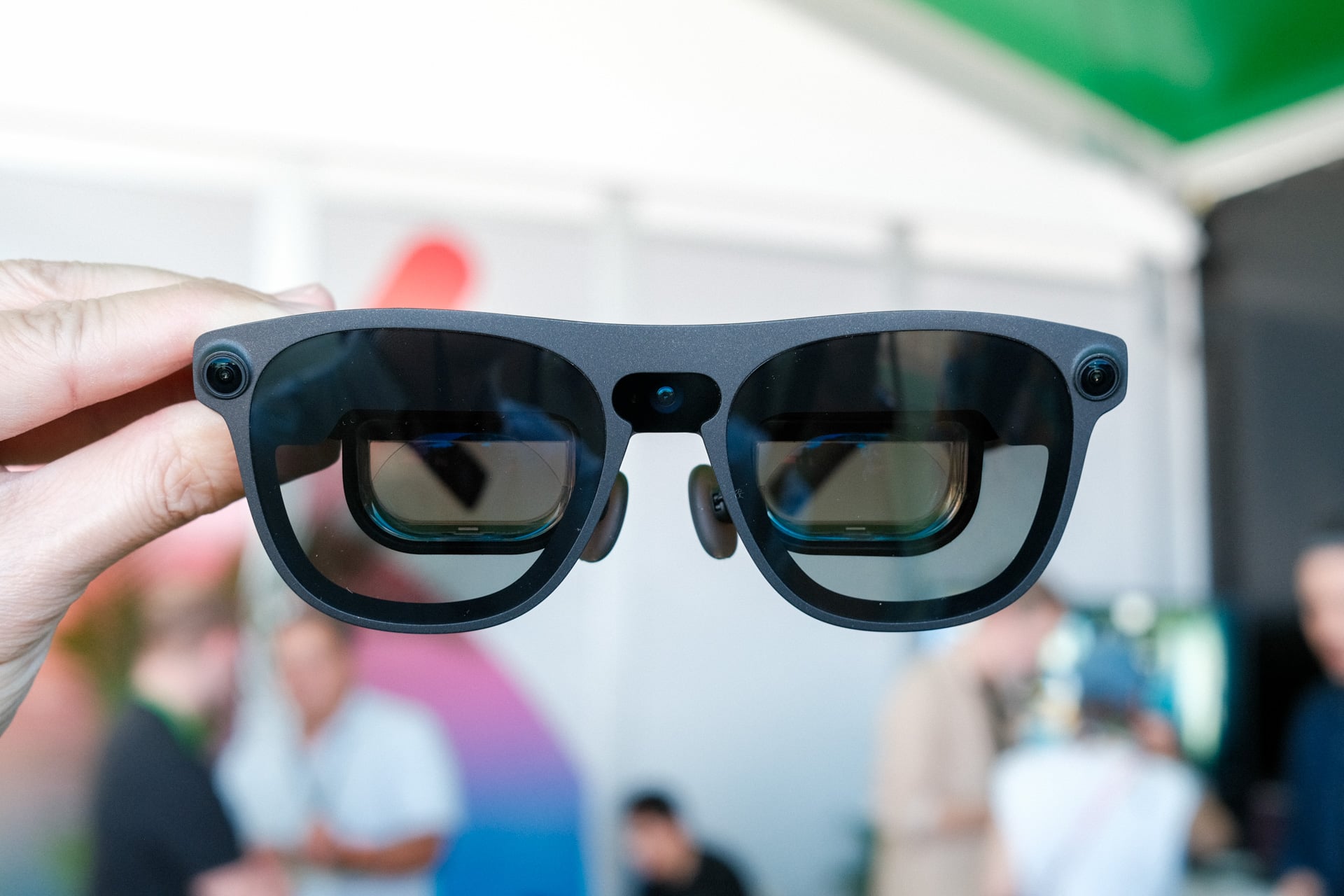
I wasn’t leaving Google I/O 2026 without trying out Google’s and Xreal’s “Project Aura” XR smart glasses. As I expected, they land in betweeen AI/audio glasses and full-blown XR headsets like Vision Pro and Galaxy XR. Brief as my demo with Project Aura was, I’m now more optimistic about the future of XR smart glasses. Maybe we don’t actually need the full immersion of isolating XR and VR headsets. Maybe. Read on for my first impressions. —Raymond Wong
What Was Missing From the I/O Keynote
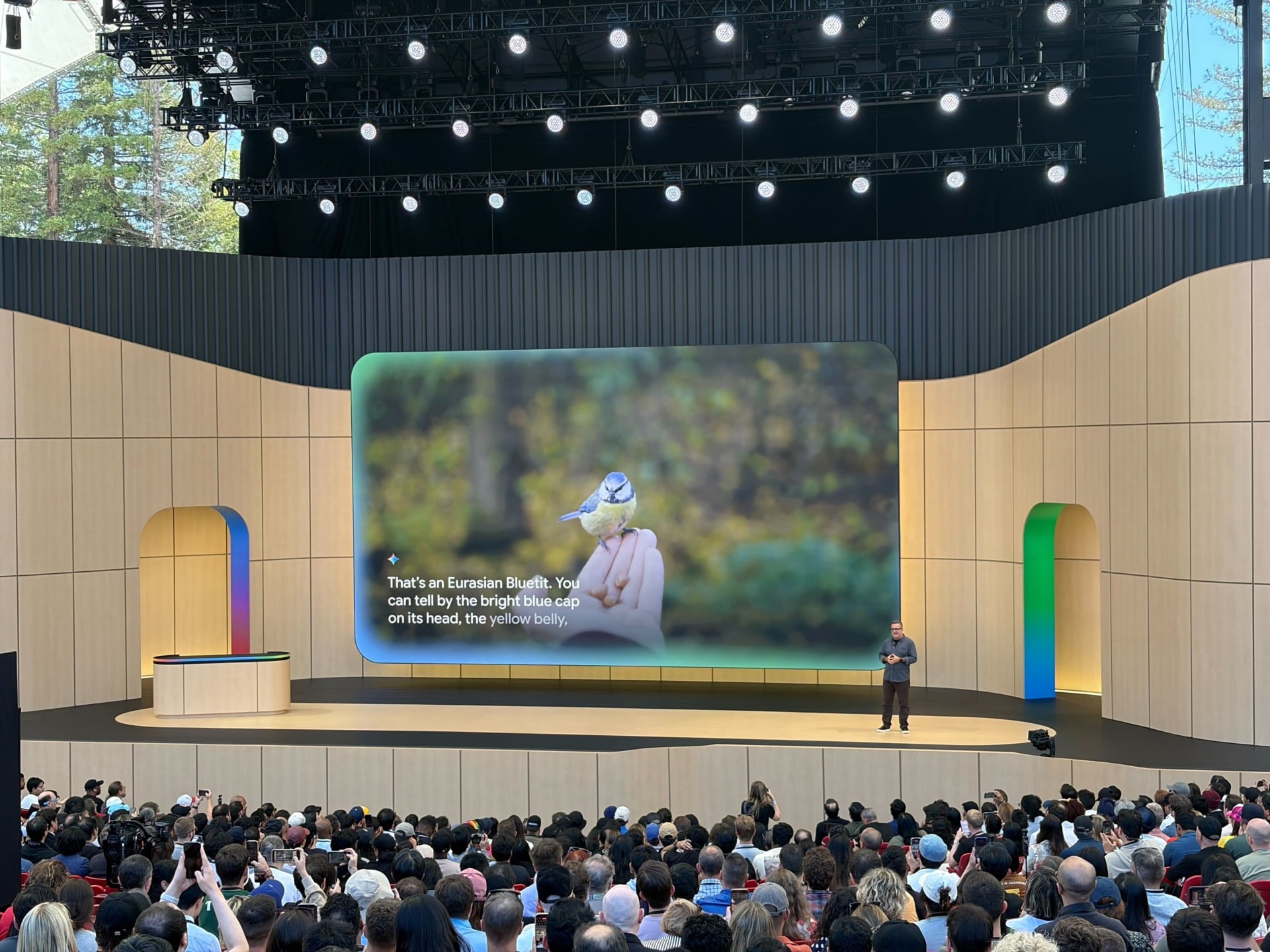
Google I/O 2026 was relegated solely to AI and AI-specific products. And despite spending two hours watching the Google crew drone on and on about Gemini, I’m left feeling completely unsatisfied. Google didn’t mention a single peep about any of the changes coming to Android 17. Sure, we now know more about the additions to the Gemini app, but what about the millions of Android phone users looking for the next update? Similarly, Google didn’t bother to mention that it now has a whole new brand of laptops, namely Googlebooks, set to make their debut later this year. We were hoping Google would fully unveil the new operating system that’s supposed to merge Android and ChromeOS. No dice, unfortunately. Maybe we’ll hear more in the coming developer sessions and hands-on experiences.
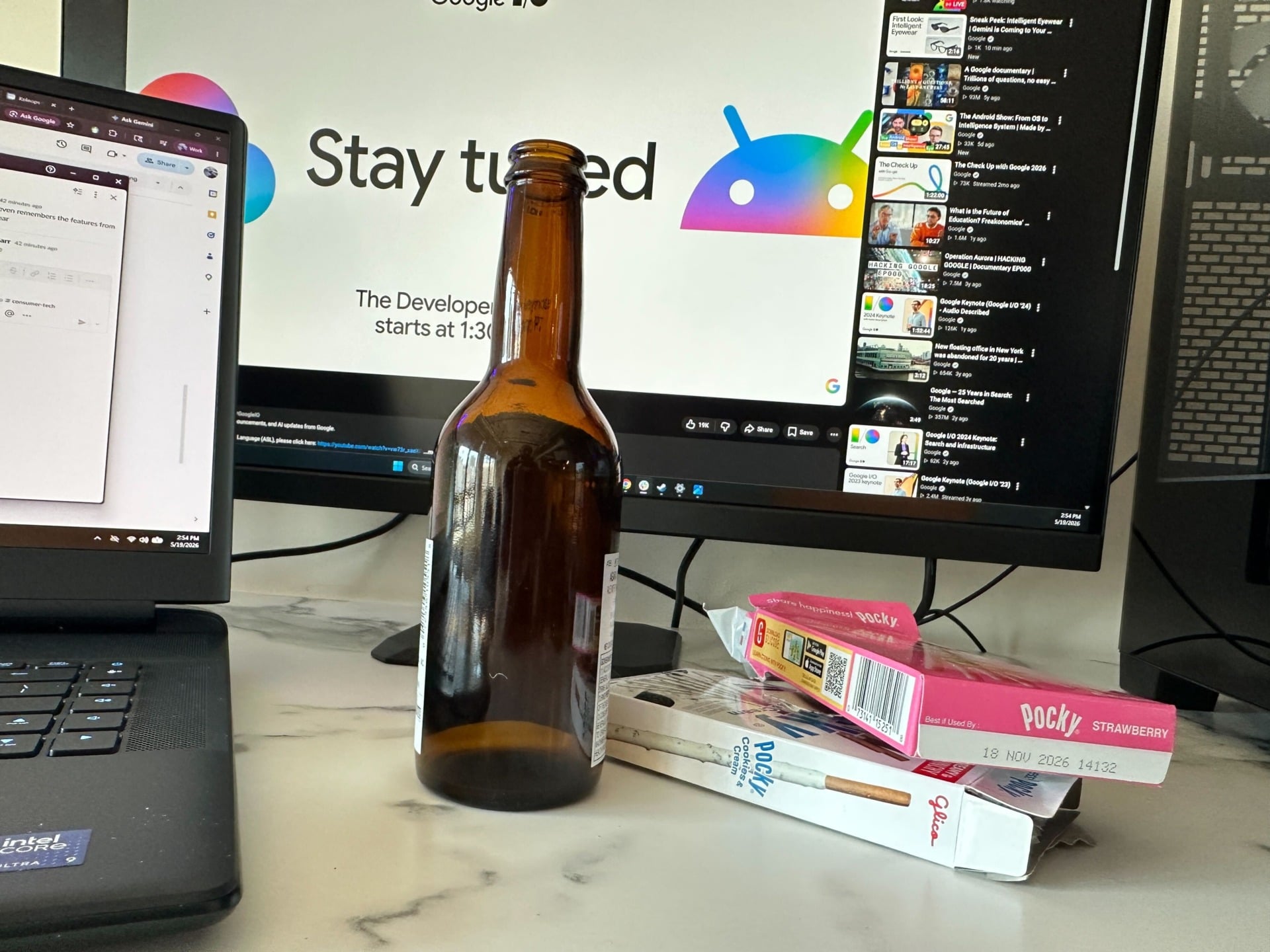
I finished an entire beer and two whole boxes of Pocky just halfway through the keynote. I still feel hollow. —Kyle Barr
Project Aura Incoming (Eventually)

Google didn’t have much news on its Project Aura video glasses being developed with Xreal, but it did say that they’re coming in 2026. TBD on the exact release date and price, though. We’ll have a demo soon for you all, but some things you can look forward to include VR YouTube at 180 and 360 degrees and a vibe-coded painting app. —James Pero
Here’s our story for all the details:
Oh, Thank God, It’s Over
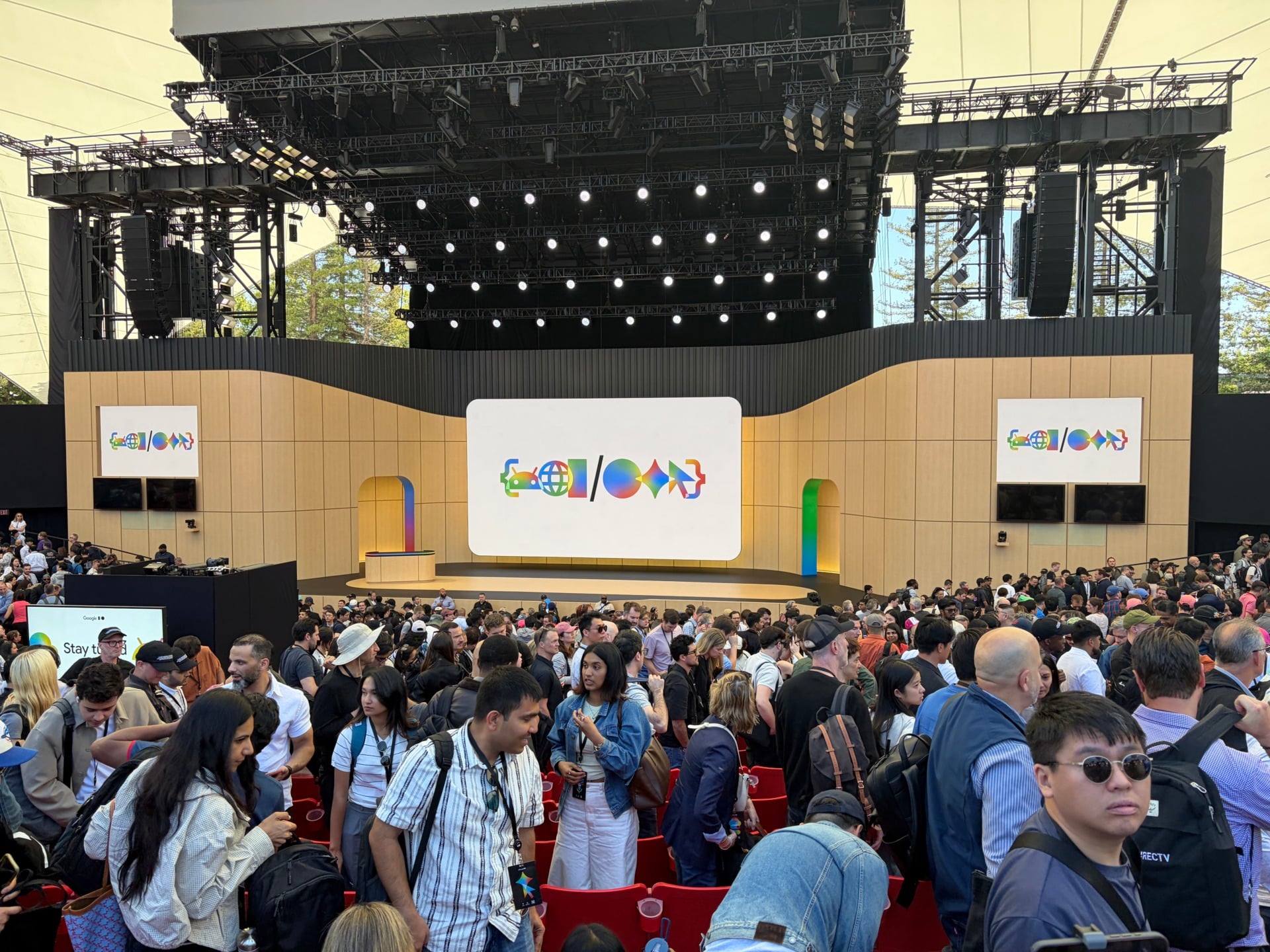
Almost two hours later, the Google I/O keynote is over. I’ve had enough of listening about our AI and Gemini future and what that brings. Now, it’s time to eat some lunch. Hopefully, it’s better than what we had for breakfast. —Raymond Wong
Your Watch Will Be Your Main Screen for Smart Glasses
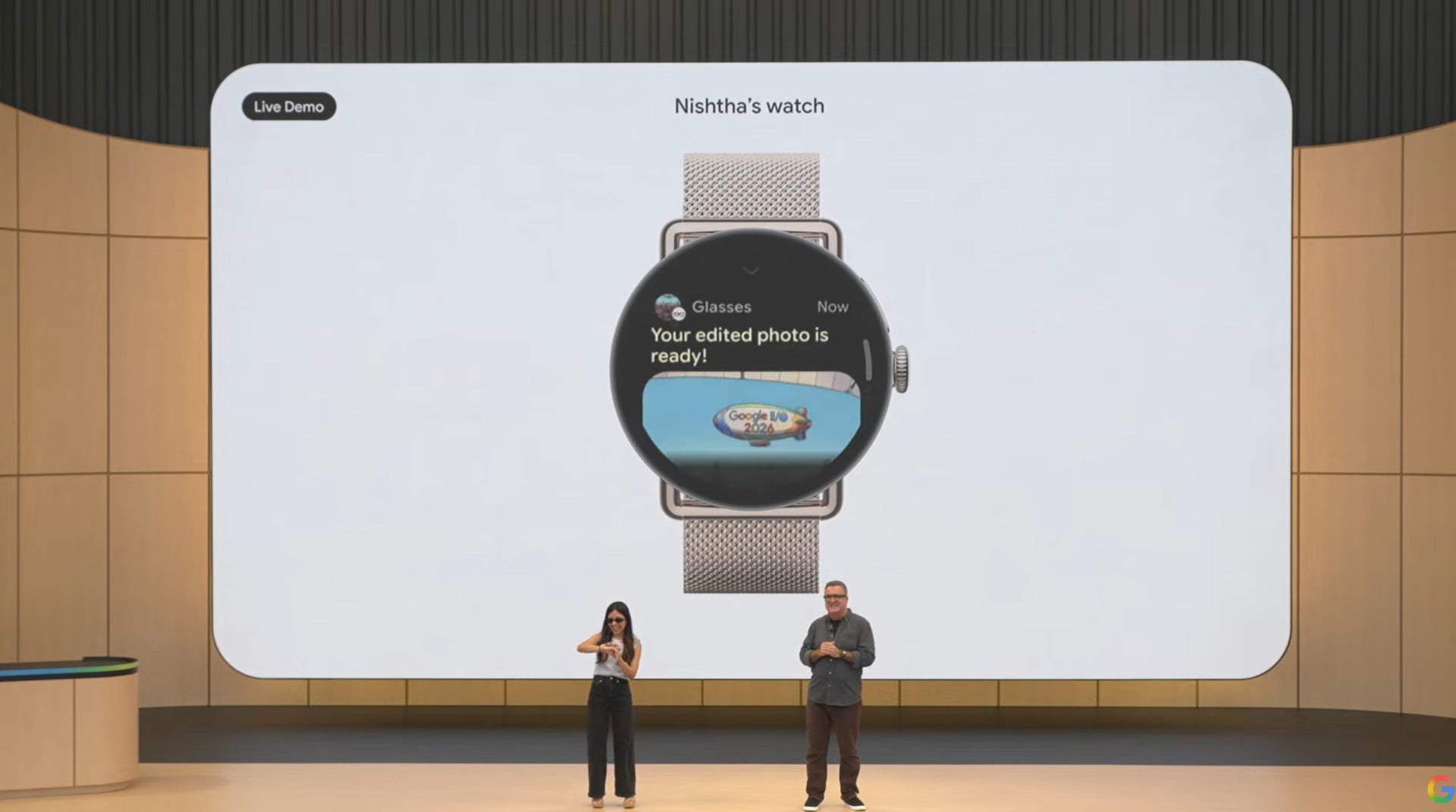
The new “Intelligent Eyewear” Google showed off at I/O will include the ability to access your apps while your phone is in your pocket. That means the AI will click on the app icons on your screen while it’s doing something as menial as ordering a coffee through DoorDash. The agentic AI will tell you just before it places the order, though based on the demo it may not tell you the final price before you offer to give a tip. But for anybody who actually wants to see what’s captured through your smart glasses, your smartwatch may act as an intermediary. Google showed how these future glasses can take a picture with built-in cameras. The pictures you take should then show up as a notification on your wrist. —Kyle Barr
Smart Glasses, Of Course
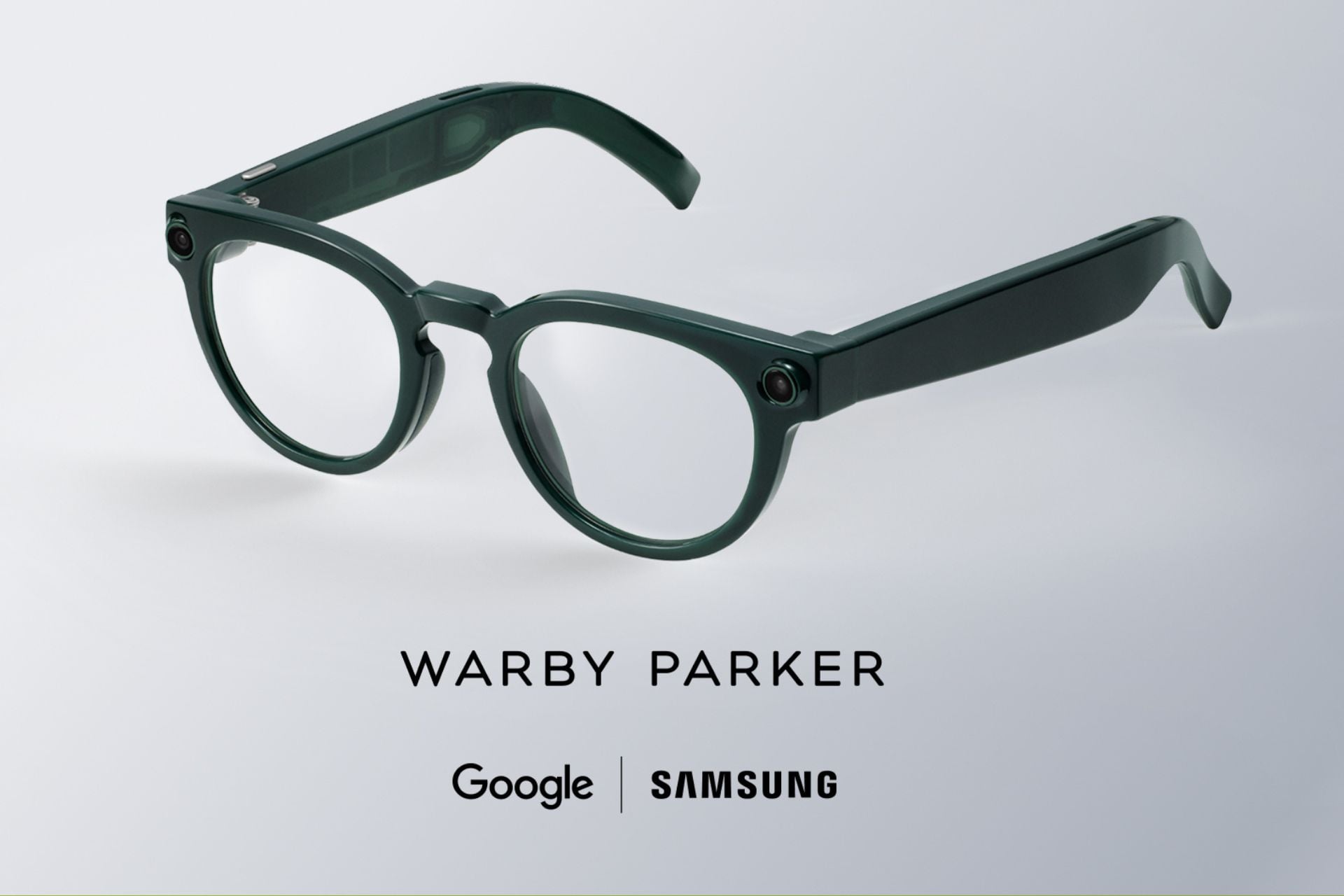
As we suspected, I/O brought us smart glasses news in the form of a first look at the company’s Warby Parker/Gentle Monster collab. On the surface, they do a lot of the things that Ray-Ban Meta AI glasses do, but they do have a few twists thanks to Gemini, like voice-based navigation with Google Maps and the ability to launch apps. You can even order coffee online if that’s your thing. —James Pero
They’re Called Audio Glasses, Not AI Glasses
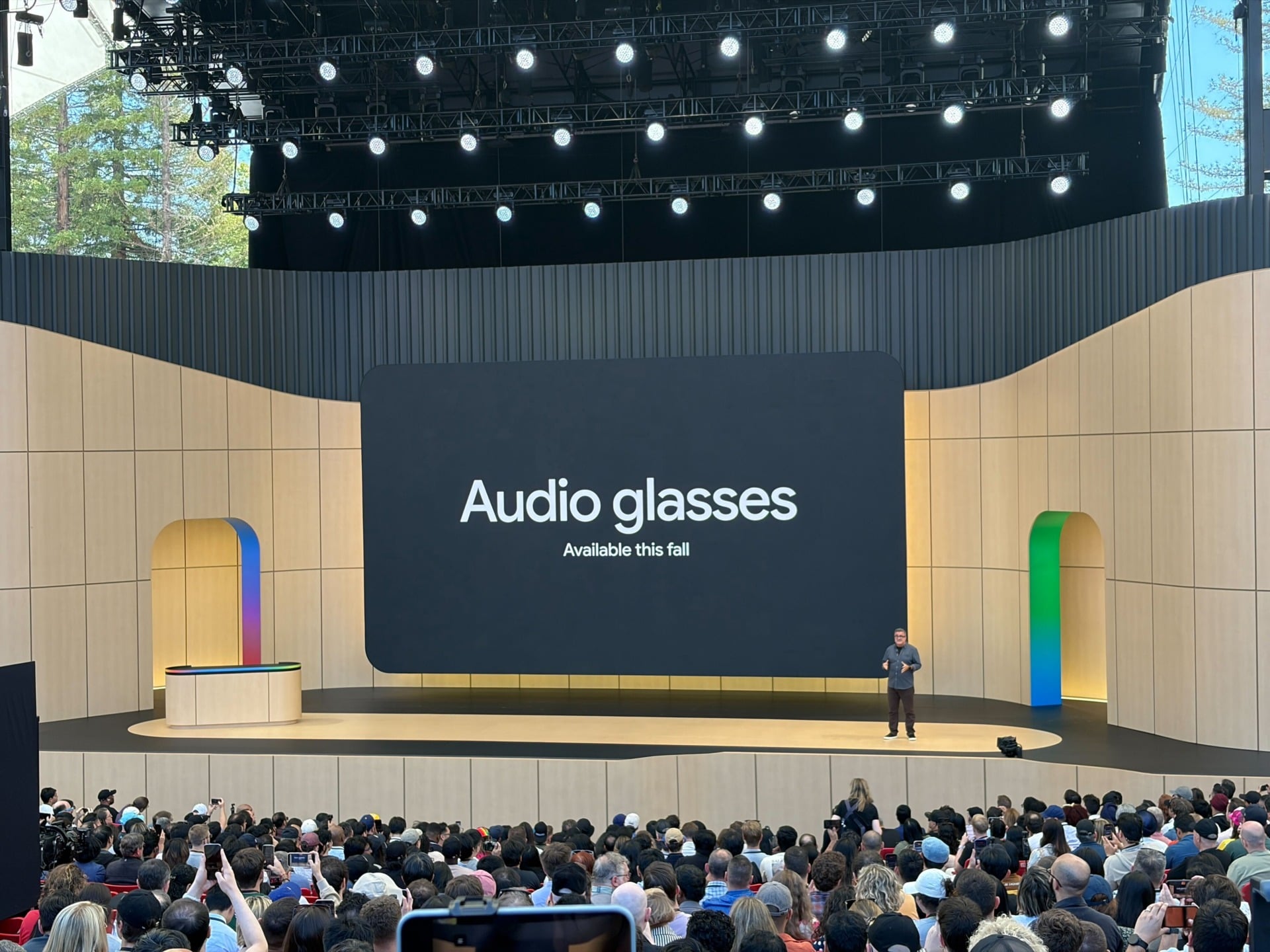
Meta’s screenless Ray-Ban smart glasses are called “AI glasses.” Google is not calling its display-free smart glasses that. It’s calling them Audio Glasses. This “intelligent eyewear” will have cameras and will let you ask Gemini about things that you’re looking at. In other words, they work exactly like Meta’s AI glasses, but with a totally different name. LOL. The first ones, made in collaboration between Samsung and Gentle Monster and Warby Parker, will be available this fall. —Raymond Wong
Going With the Flow, I Guess
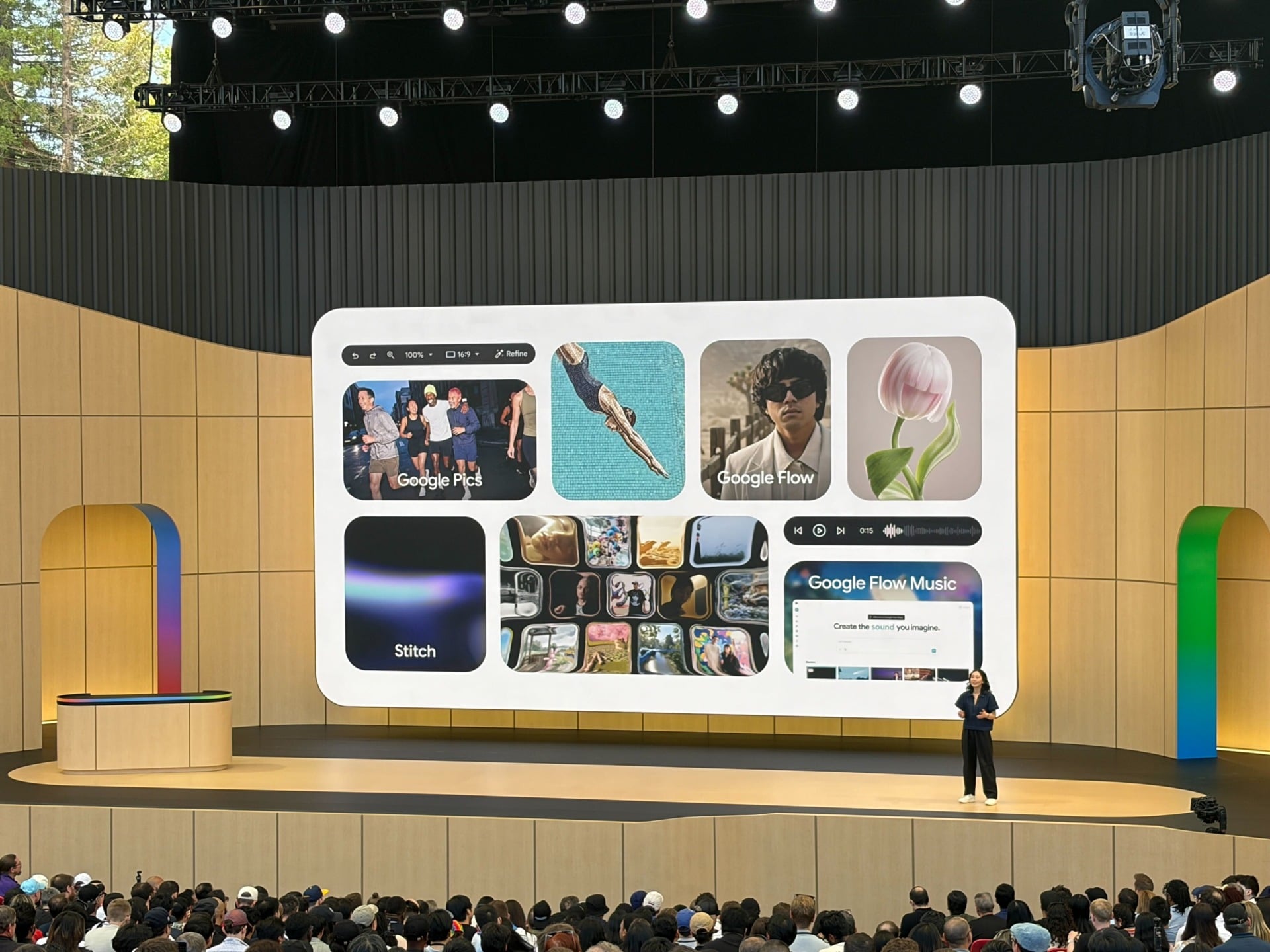
Google hasn’t forgotten the slop of it all. There are a few updates to Google Flow, which, in case you forgot, is the company’s AI-powered “creative studio” that uses tools like Veo (Google’s video generator) to make multimedia content. Flow is getting Omni, which is Google’s new world model, music remixing, and custom tools. Oh, and there’s an agent, of course, because generating art wasn’t enough; you need an agent to generate it for you. —James Pero
Google Pics… Not to Be Confused With Google Photos
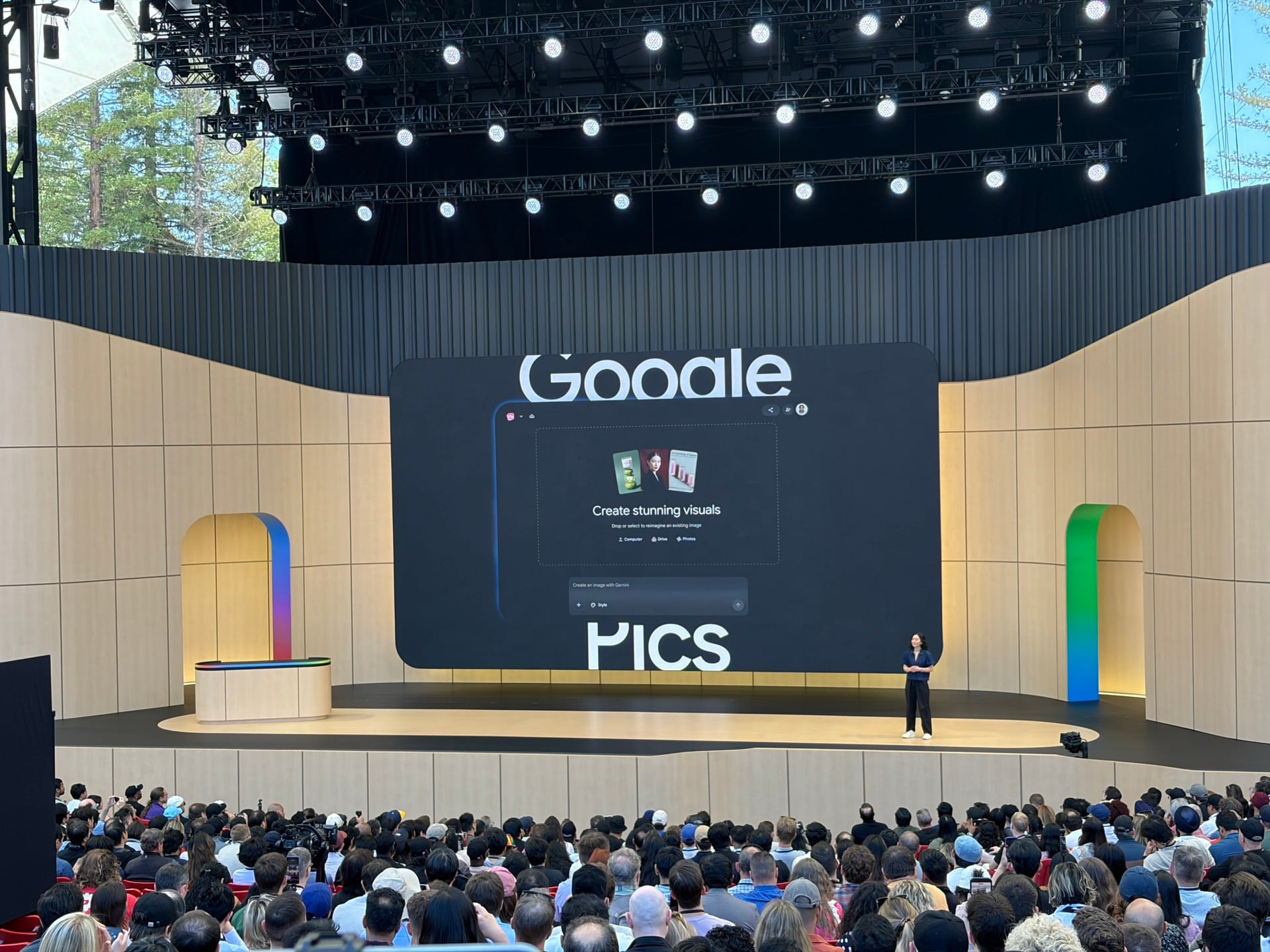
Google Pics is like Canva lite. You can upload an image and then use Gemini to manipulate the image with text and stuff. Everyone is now a graphic designer! Just don’t get Google Pics confused with Google Photos, which is something completely different. I’m sure absolutely nobody will get confused. —Raymond Wong
This Whole I/O Could Have Been an Email
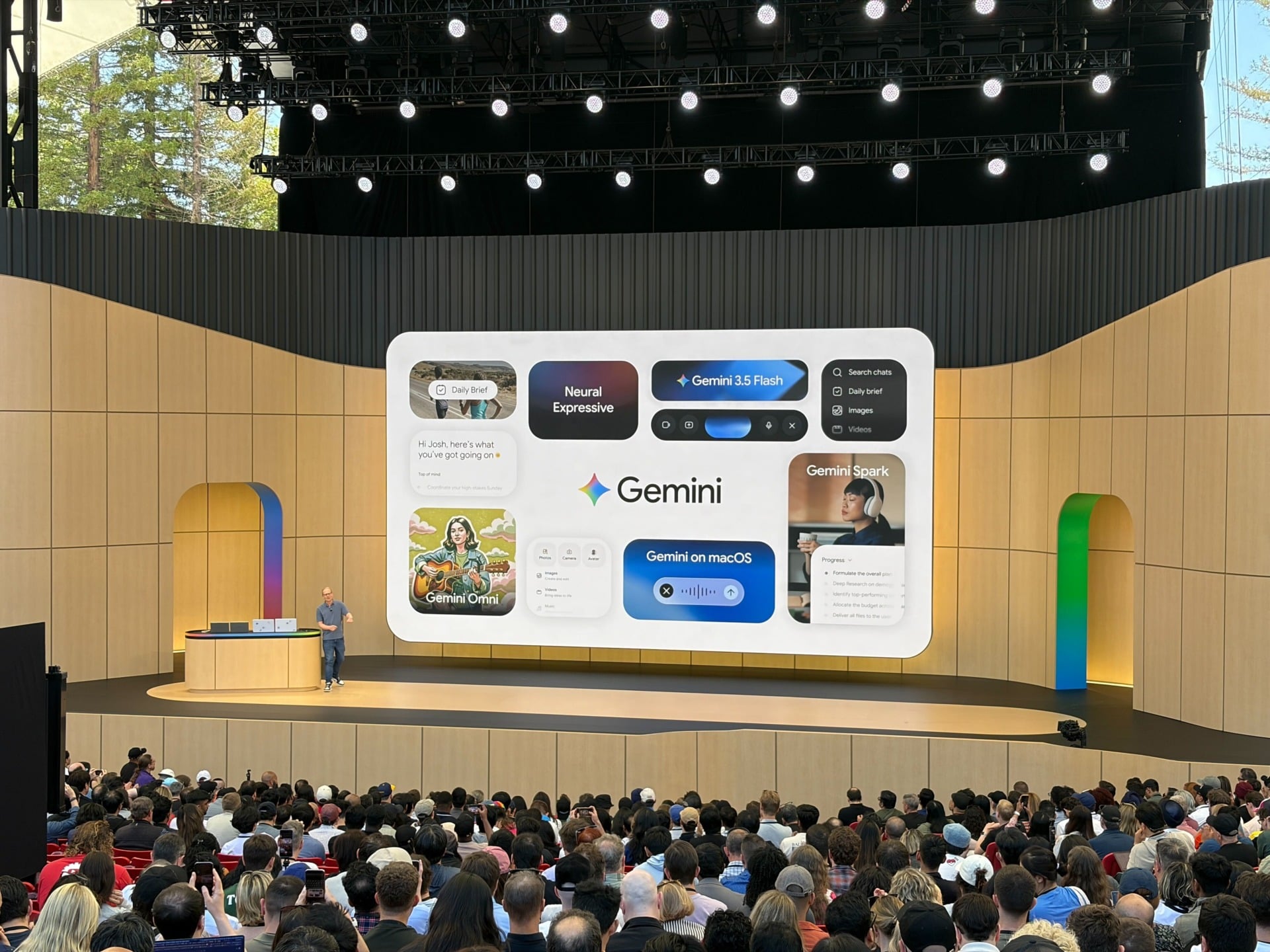
Want a better idea of what’s coming to Gemini? Here’s Google’s bento box showing all the new features. Doesn’t this all sound like it could have been an email instead of 1 hour and 30 minutes of a developer conference? —Kyle Barr
Anyone Else Fatigued?
Literally every attendee at #google right now during this nonstop AI and Gemini-filled keynote. It’s just endless Gemini announcements pic.twitter.com/t1SplS7SCW
— Ray Wong (@raywongy) May 19, 2026
I appreciate that Google has clearly been hard at work since last I/O, but holy heck, this is a lot. Like, a lot, a lot. If I were tracking all the new products and features that just got announced, I would have lost count long ago. I’m going to need a tool to parse all of the tools Google just announced, and then another tool to teach me how to incorporate/learn how to use all of them. Who’s got the time and the mental bandwidth, man? I’m tired just thinking about it. —James Pero
Gemini Live Now Lives Right in the Gemini App
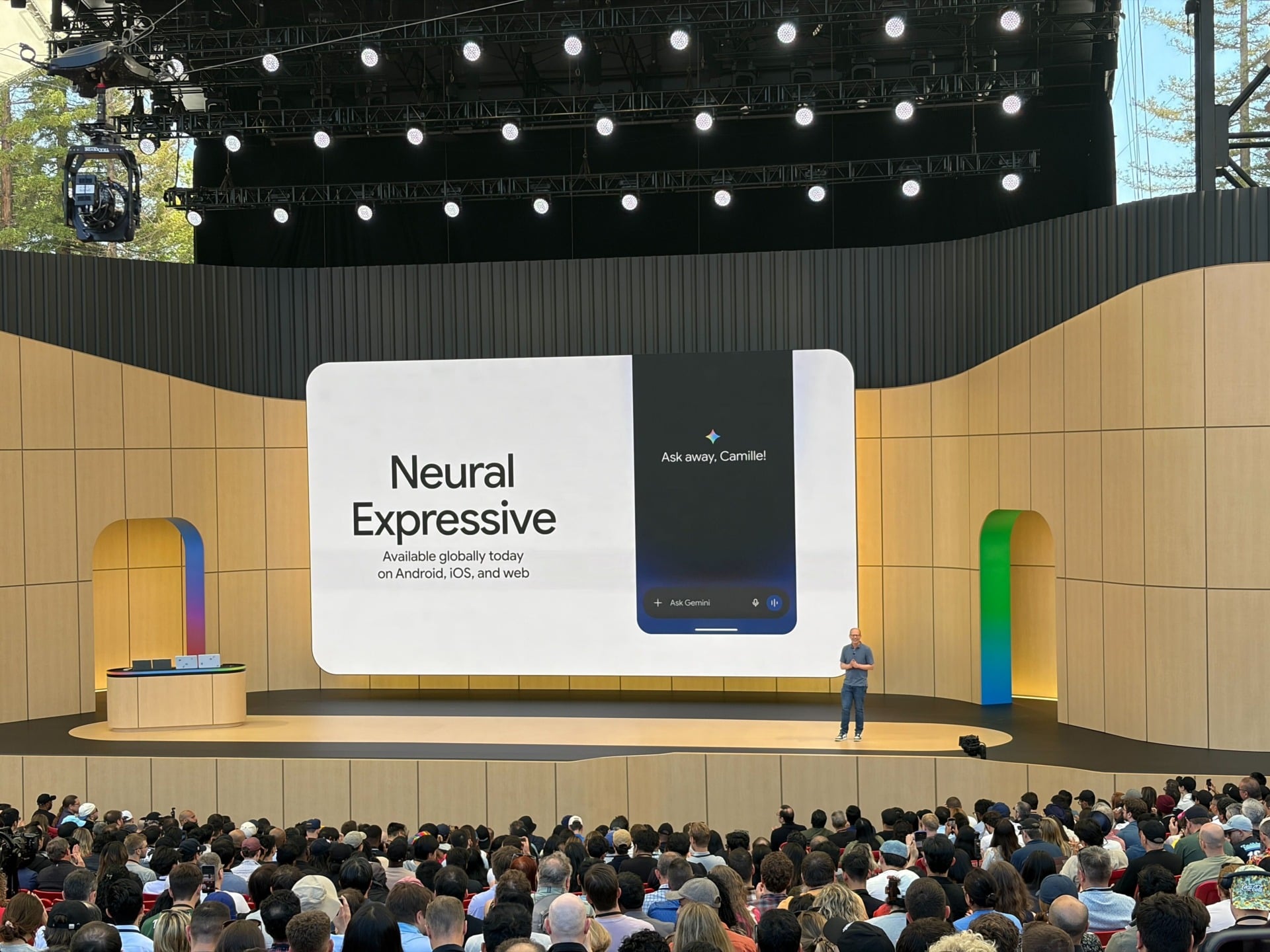
Google has completely redesigned the Gemini app, bringing it under the new design language called “Neural Expressive.” When you give your query to Gemini, you’ll see pictures, videos, and timelines appear almost immediately based on your prompts. The big change is how Gemini Live, the voice-based conversational AI experience, now doesn’t require its own separate page within the app. You’ll instead be able to chat directly with the AI right on the same page as the rest of your chatbot log. Gemini Live also has a few new accents and languages to choose from. Finally, Gemini Omni should also be available on the newly redesigned Gemini app for enhanced AI videos. The new Neural Expressive update should be available on Android, iOS, and the browser app starting today. —Kyle Barr
A “Truly Intelligent Shopping Cart”
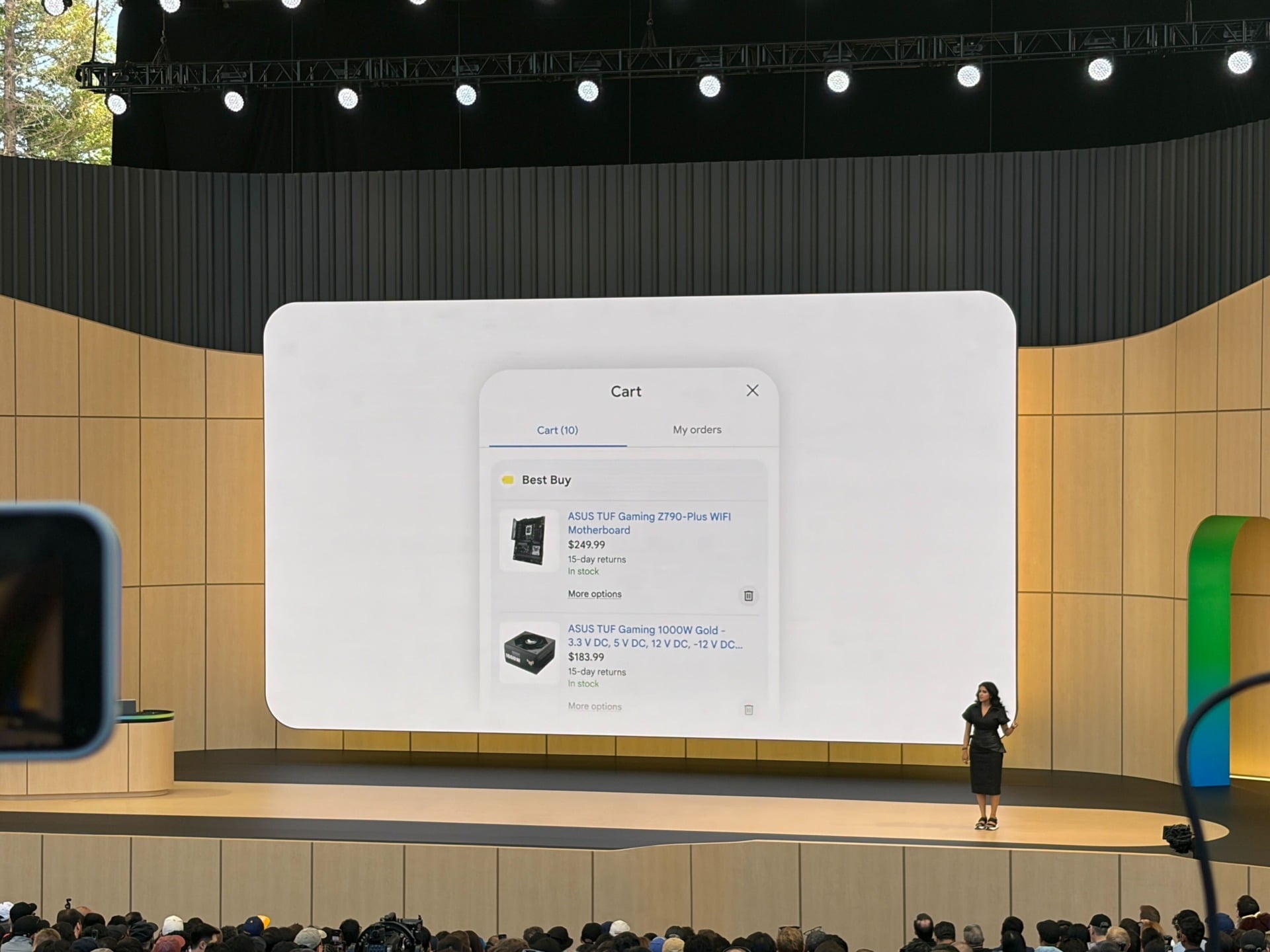
Everything is a shopping cart now with Universal Cart, which lets you add items to your shopping cart via YouTube, Gmail, and other Google tools. Once an item is added, Gemini goes to work sourcing what you want and can do price checks over time, suggest other items you might need to buy, and can also source discounts that are applicable to your specific credit card. Naturally, you can check out right from Universal Cart.
This will be rolling out in search and the Gemini app this summer, with the rest of the platforms to follow. —James Pero
So AI Coding Is Coming to… Search?
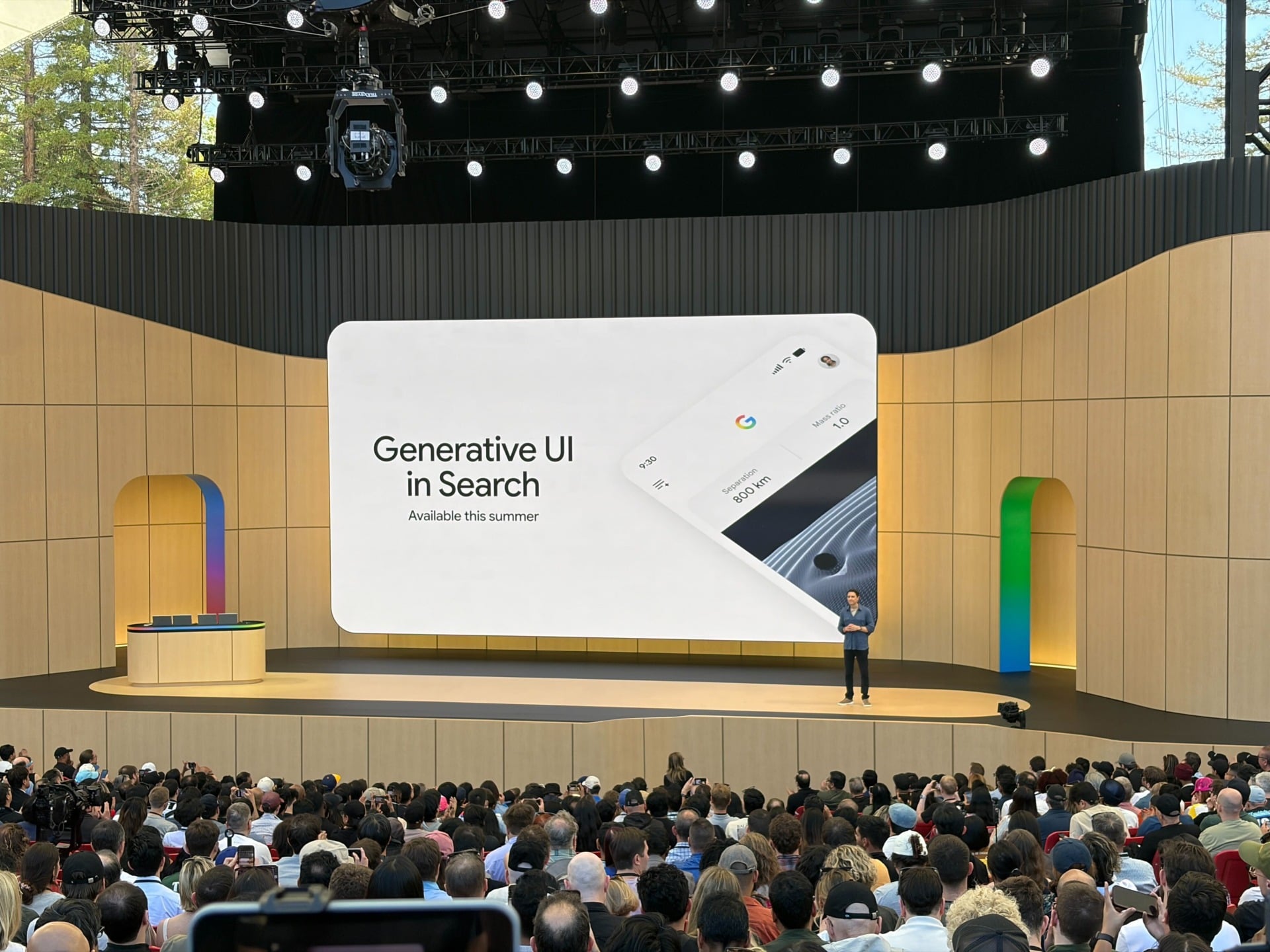
When’s the last time you performed a Google Search query and thought to yourself, “This is great, but I really wish Google would generate a whole interactive element at the top of the results”? Google’s Generative UI in Search takes the extra step of using Antigravity 2.0 to code up a small widget or animation to sync with your overly specific queries.
We couldn’t immediately fact-check Google Search’s science claims, but we hope students or the merely science-curious will try to confirm this AI-generated info with reputable sources from somewhere else on the Google Search page. In addition, Google’s AI will be able to create entire widgets, such as a weekend planner, directly in Google Search. The feature will be coming in summer for Google AI Pro and Ultra subscribers. —Kyle Barr
The Search Box Gets an AI Glow-Up
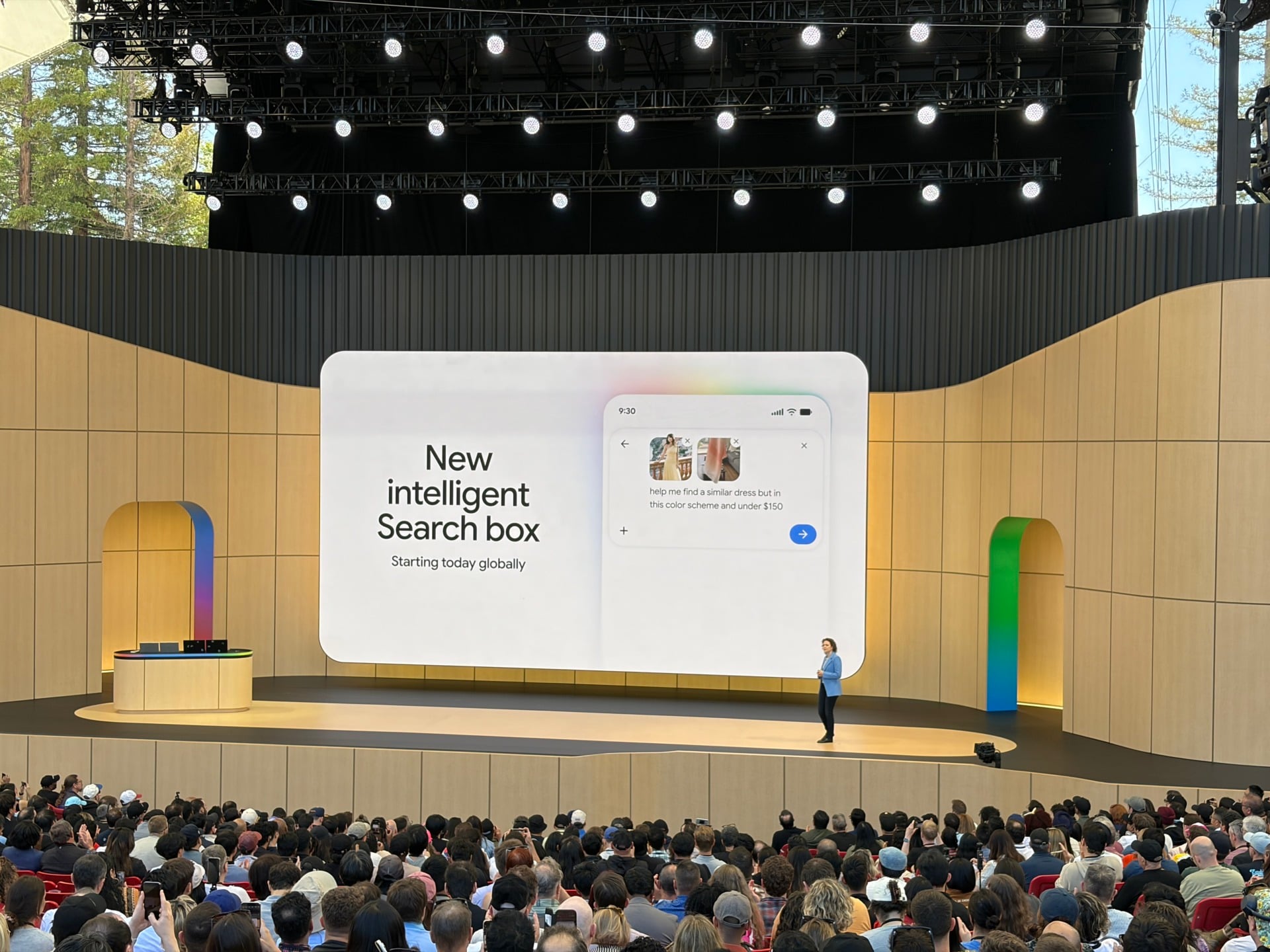
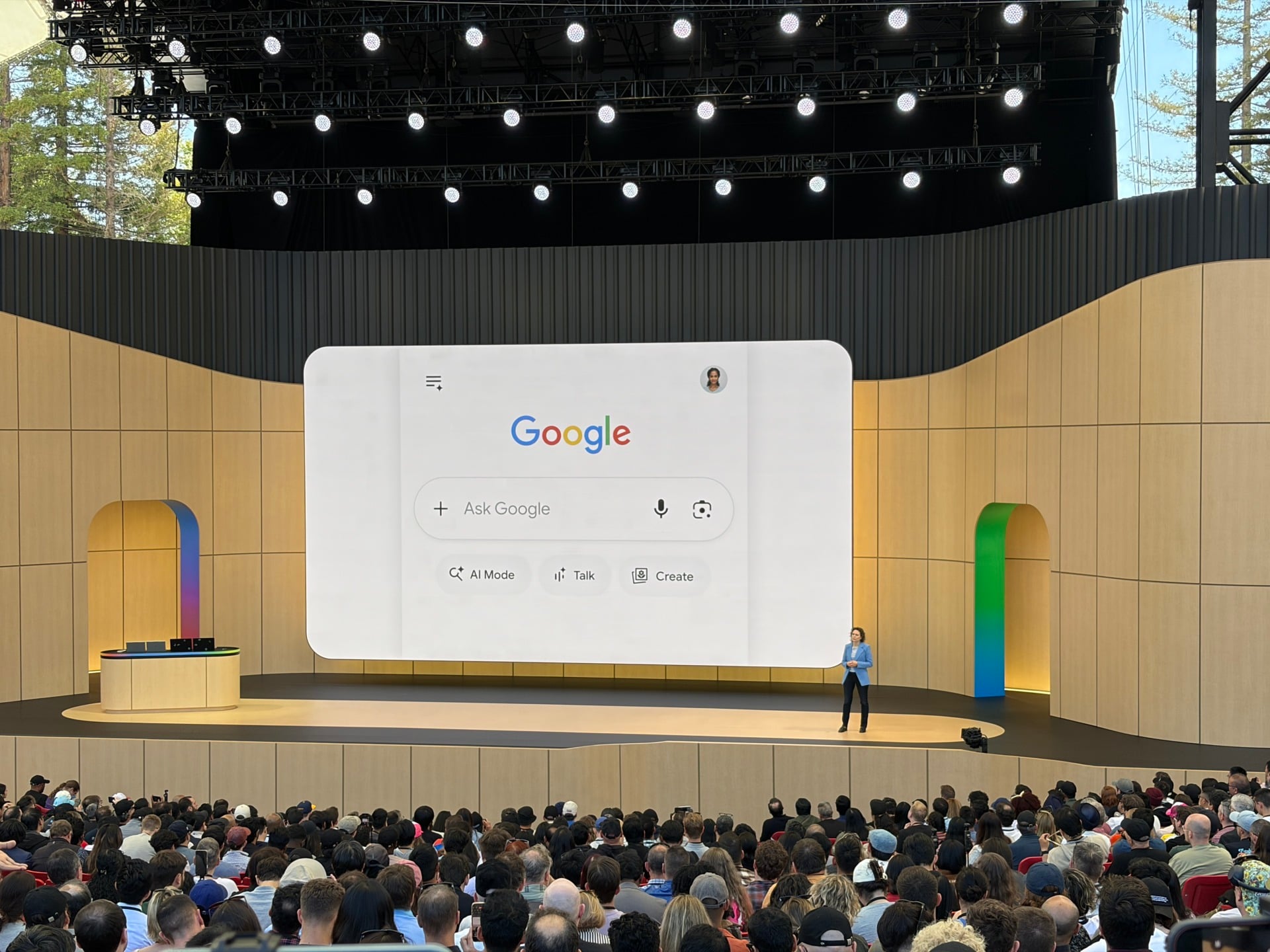
Google’s iconic search is getting an AI makeover. The new “intelligent search box” will expand as you type longer phrases. There’s an improved suggestion feature that works sort of like autocomplete as you type in a search phrase. Additionally, there’s an agentic mode that lets you keep track of things. For example, you could stay updated on your favorite athletes’ sneaker collabs when they drop. Google is calling this change to the search box its biggest in 25 years. The new intelligent search box is rolling out to users starting today. —Raymond Wong
It’s Gemini, Michael, How Much Can It Cost?
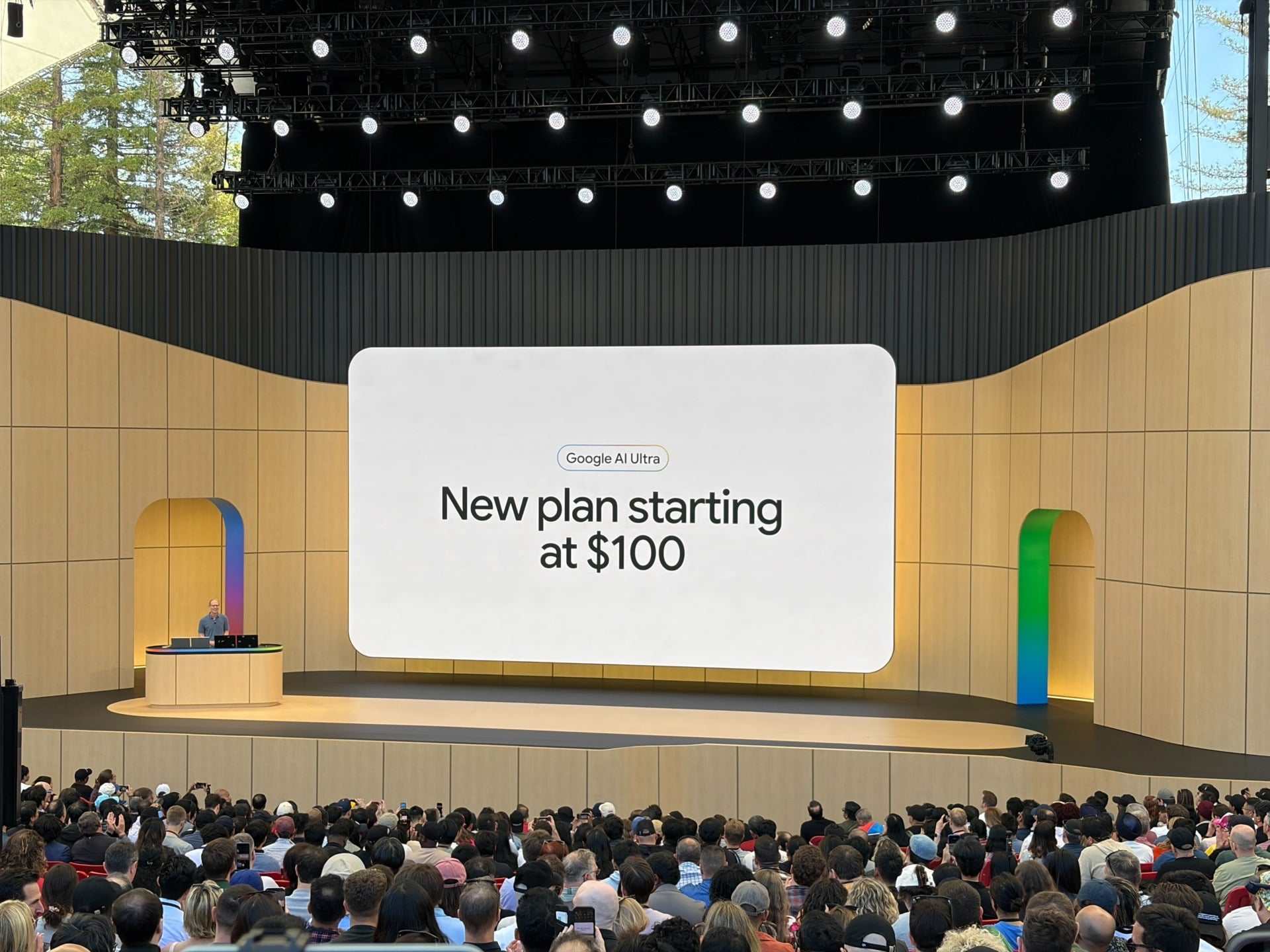
Google’s new AI, which should incorporate Google’s new Gemini Spark model coming next week, will now come in a less-expensive but still very pricey subscription plan. Google is now setting a $100 per month standard for its new Google AI Ultra plan. The company’s existing top-tier Google AI Ultra plan will see a reduction from $250 to $200 per month. That higher tier includes the full 30TB of cloud storage. —Kyle Barr
A Little Gemini Spark
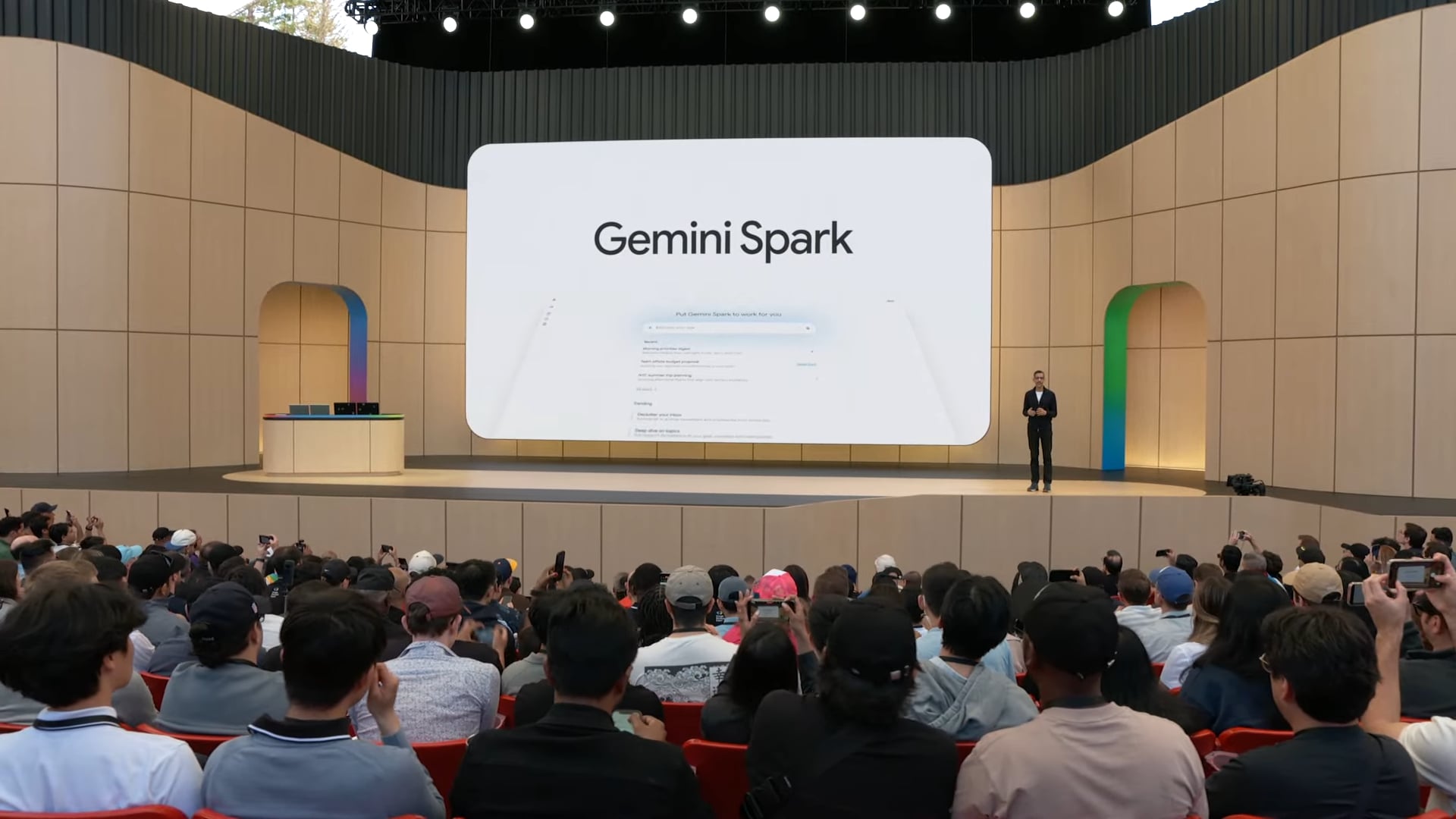
Gemini Spark is Google’s “personal AI agent,” which has access to all of your Google tools like Docs, Sheets, your Gmail account, etc… Google’s example demo involved using Spark to manage a block party in your neighborhood, which entailed checking sheets, emailing people for you, monitoring Google Forms, etc… You can use Spark on your phone as well as your laptop, and yes, it works when the latter is closed.
Personally, I have privacy/security questions about an agent like this having access to all your credentials and tools, but I don’t think Google wants to talk about that at its keynote. —James Pero
Oh God, We’re Only 30 Minutes In
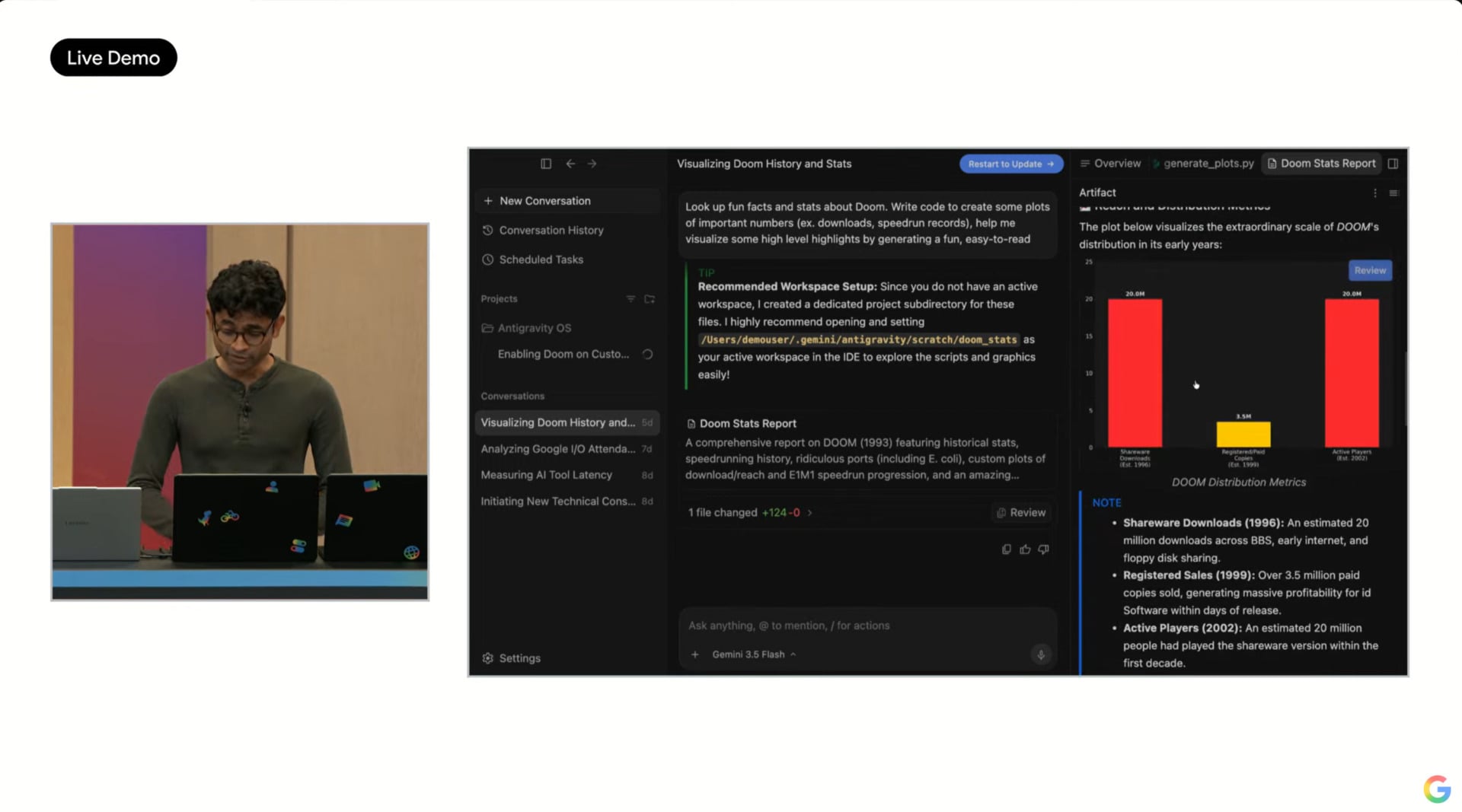
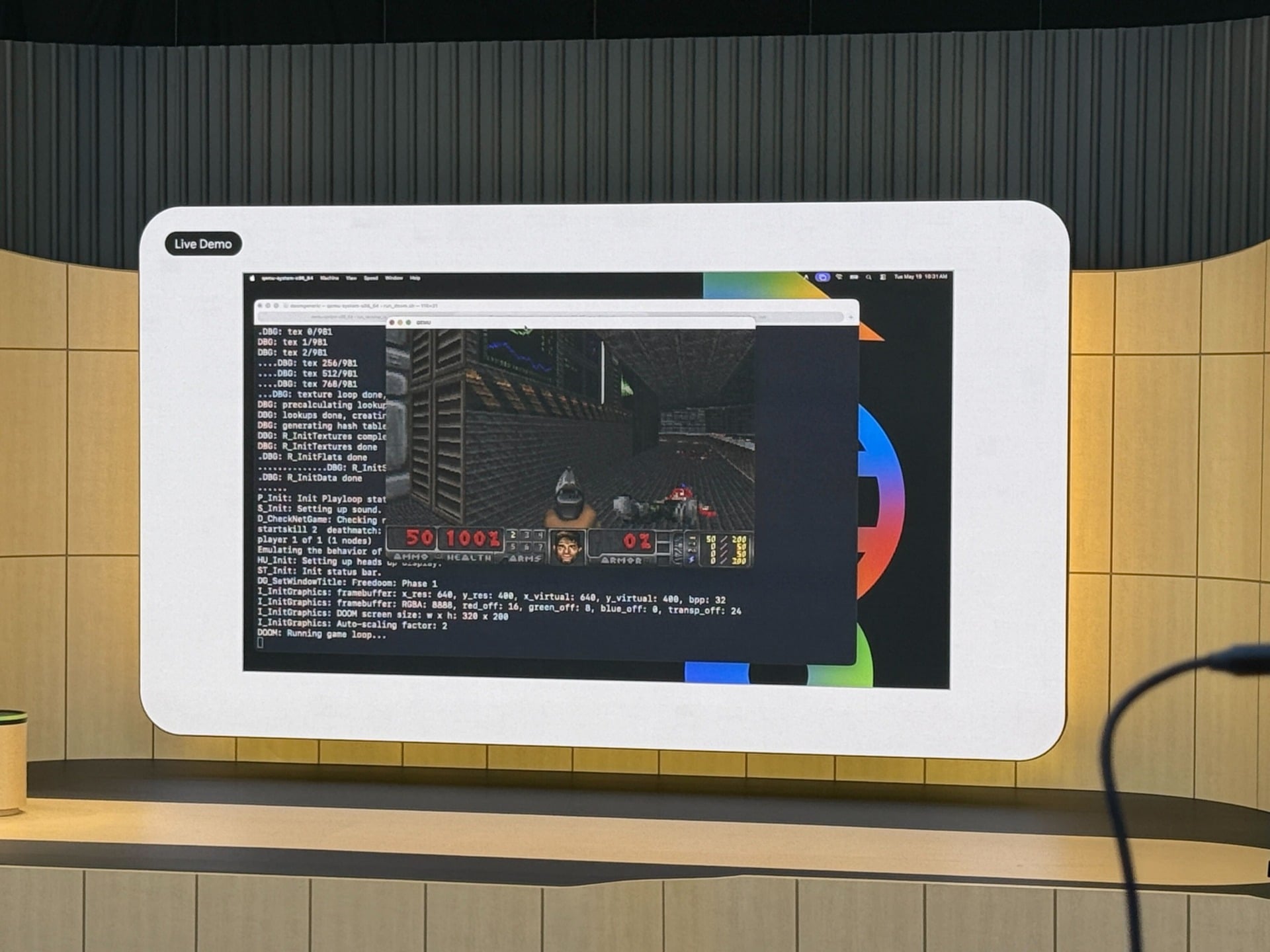
So far, the few new announcements at I/O 2026 have been a few snippets of future models and AI features in existing Google apps. Now, Google is doing a deep dive into the Antigravity 2.0 AI coding app. Oh, look, it can recreate Doom with somehow less personality in Doom Guy’s floating head. Let’s be honest, recreating the seminal first-person shooter with AI seems a little like stolen valor. This seems like the sort of thing that would be more impressive to a very select subgroup of developers. AKA, it seems like the sort of thing that’s built for day 2 of the annual dev conference. Please don’t tell me this is what we can expect for another hour and a half. —Kyle Barr
So, About AI Watermarking…
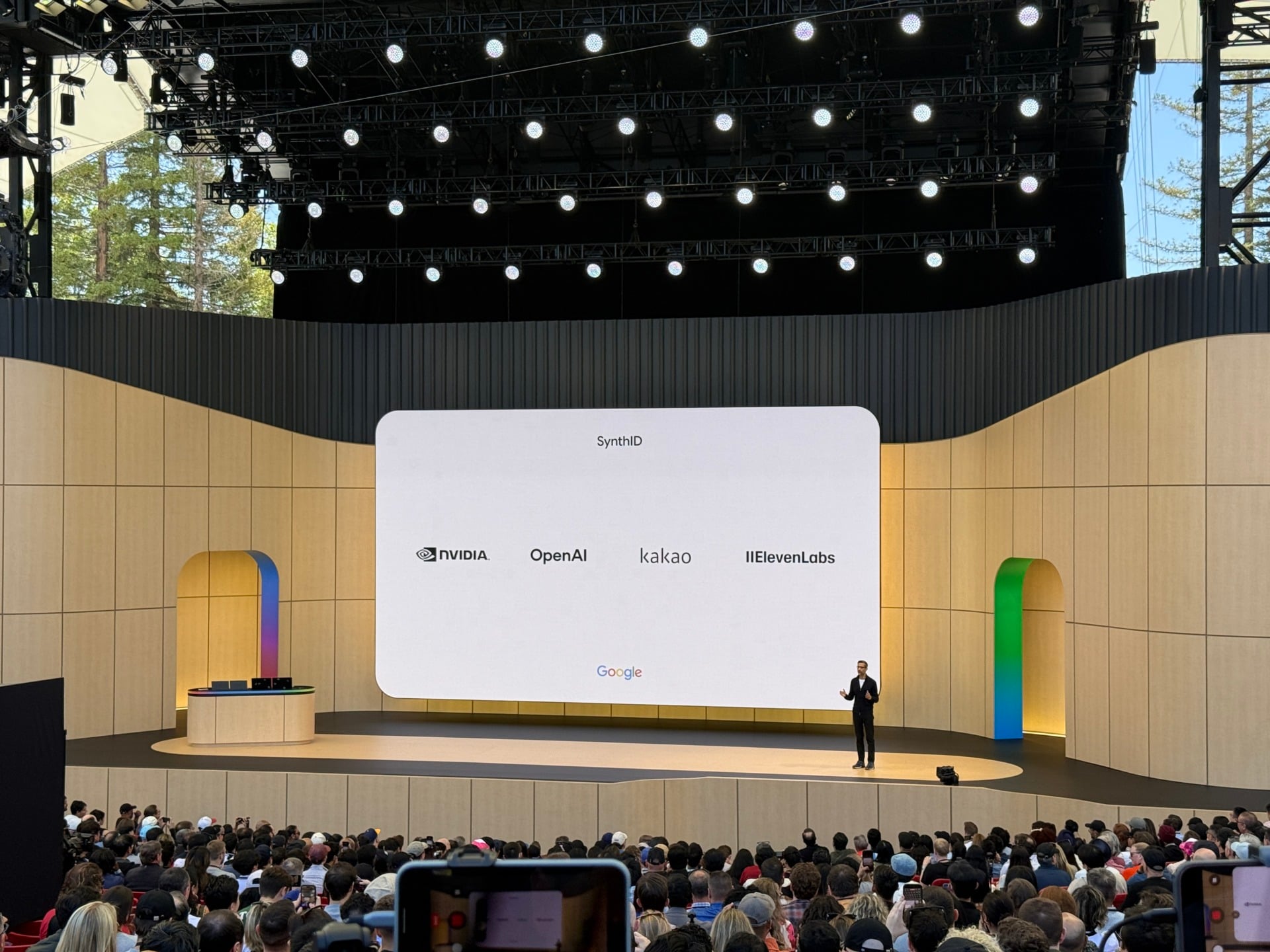
Google followed up its Veo-powered “world model,” Omni, with an update on SynthID, which is its tool for automatically “watermarking” content made with AI. One interesting thing is that Google will now let you use Circle to Search in tandem with SynthID to see whether content is made with AI, though, at that point, why not just put a watermark up front instead of making people search? —James Pero

‘Gemini Omni’ Is Google’s Veo Model, but With ‘Any Output’
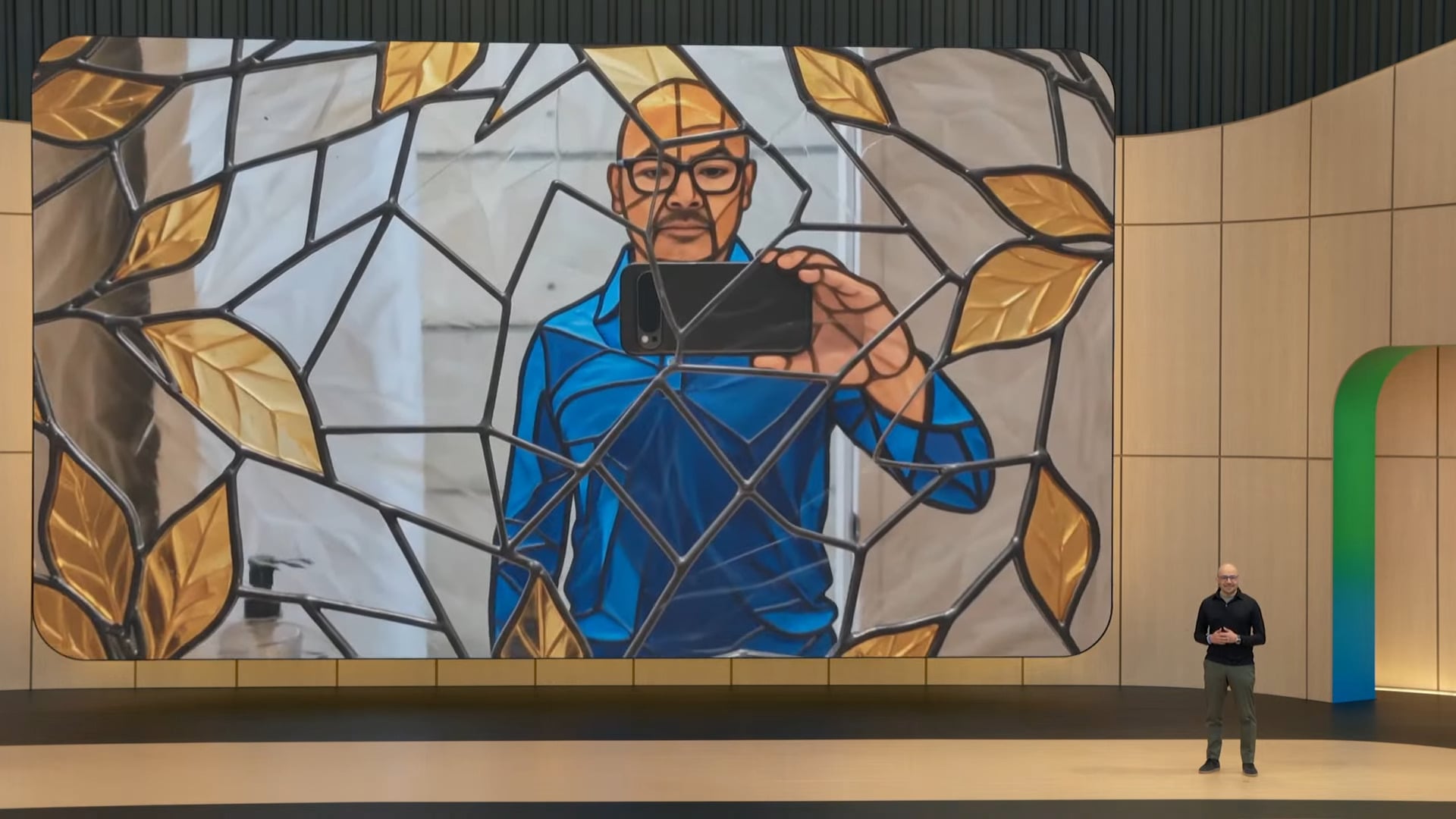
Google’s next big jump for its AI video generation models is Gemini Omni. It’s like Google’s Veo model, but this version should be able to produce realistic physics. Google hinted that users will be able to use the model to modify their own videos as well, such as adding silly special effects to their selfie vlogs. Google DeepMind’s CEO and co-founder, Demis Hassabis, said that “over time, it will be able to generate any output from any input.” Google’s also making a smaller model, called “Gemini Omni Flash,” which seems to be a scaled-down version of the AI video generator. —Kyle Barr
TPU 8 Announced With Googly Eyes
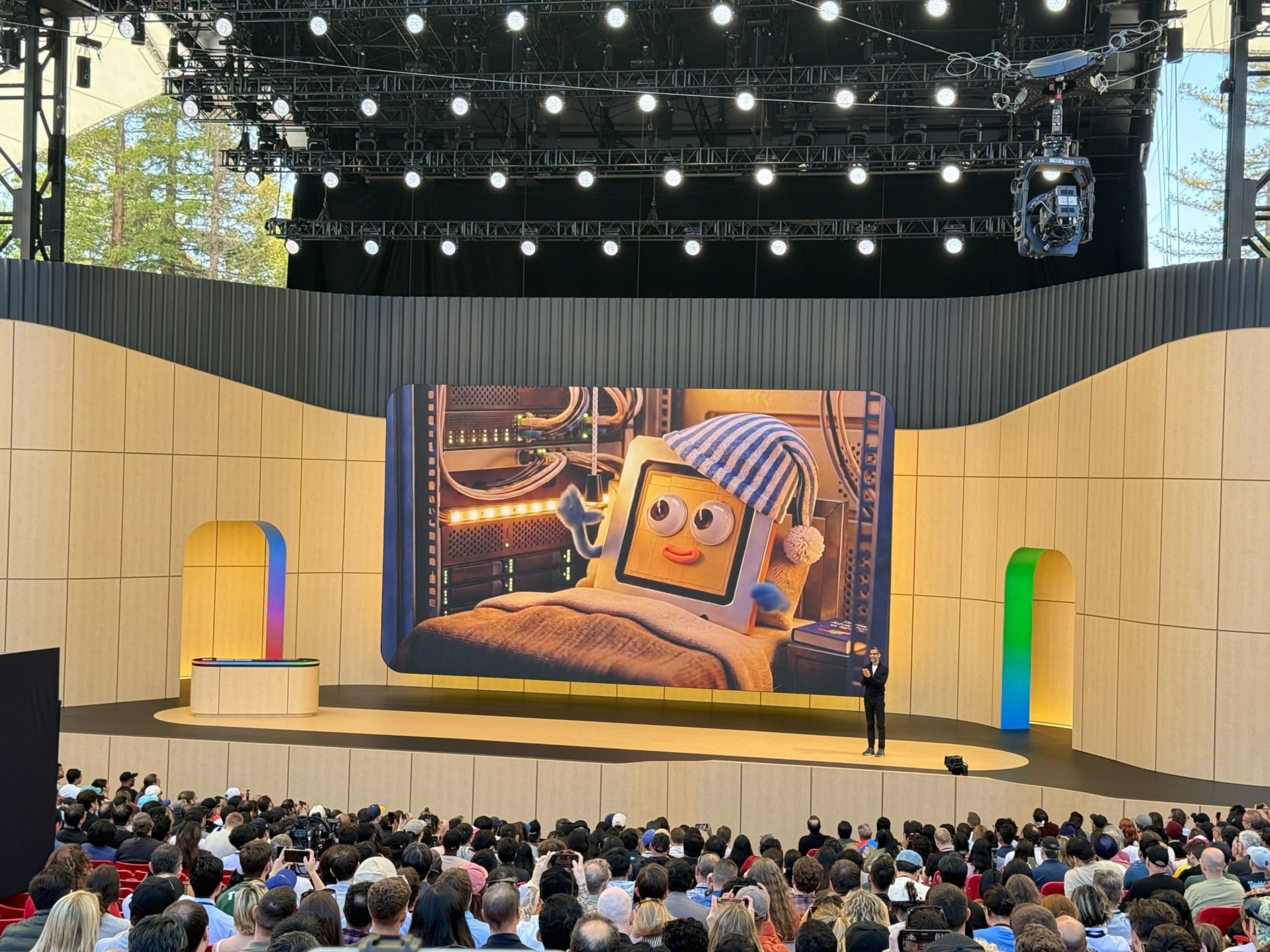
Google has a new TPU chip called TPU 8 that can deliver up to 2x better perfomance-per-watt. What does that mean for laypeople? More powerful processing; less power. The introduction with googly eyes is cute. Well played, Google. Well played. —Raymond Wong
Docs Live for Thought-Dumping
Docs Live will let you use Gemini to just mind “dump” into a Doc. Natural language will let you edit / ask for changes on the fly pic.twitter.com/PEPA42qdsg
— Ray Wong (@raywongy) May 19, 2026
Google’s big AI update to Google Docs is Docs Live, which lets you throw word salad into Docs with your voice, and then Gemini organizes everything for you. That’s right, folks, you can throw your keyboards in the trash (don’t actually do that, please). —James Pero
Get Step-By-Step YouTube Guides With AI
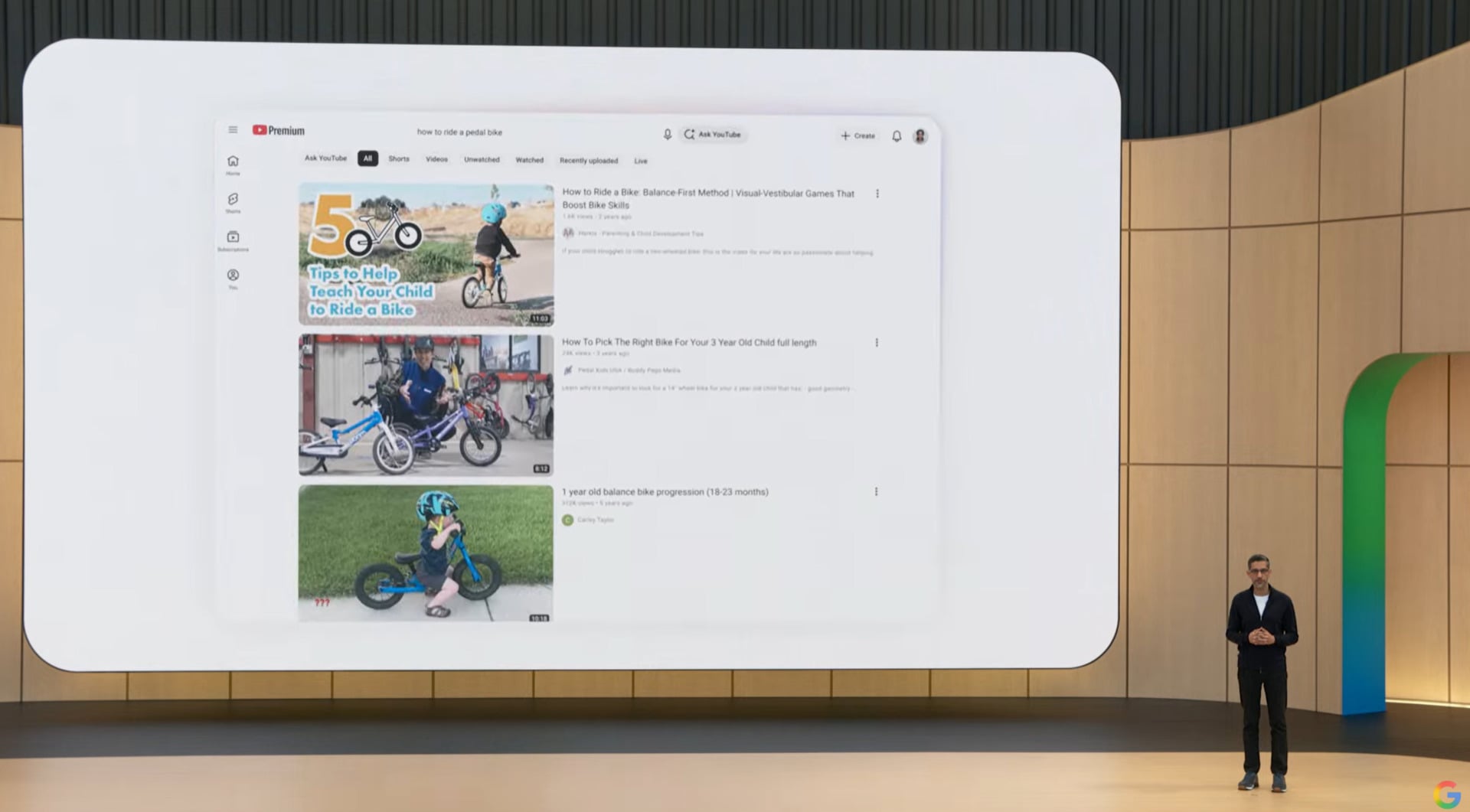
Google is taking the massive number of YouTube videos and tying them all together with AI. Ask YouTube will let you see summarized videos and a step-by-step guide for your queries, like how to ride a bike. A similar feature in Google Maps will facilitate your inane questions as well. For instance, you could ask Google Maps “My kid just fell into the duck pond, and the wedding starts in 30 minutes. Where can I walk to buy her a new dress?” The Ask Maps and Ask YouTube feature will be rolling out later this year. —Kyle Barr
Sundar Pichai Kicks Off the Keynote
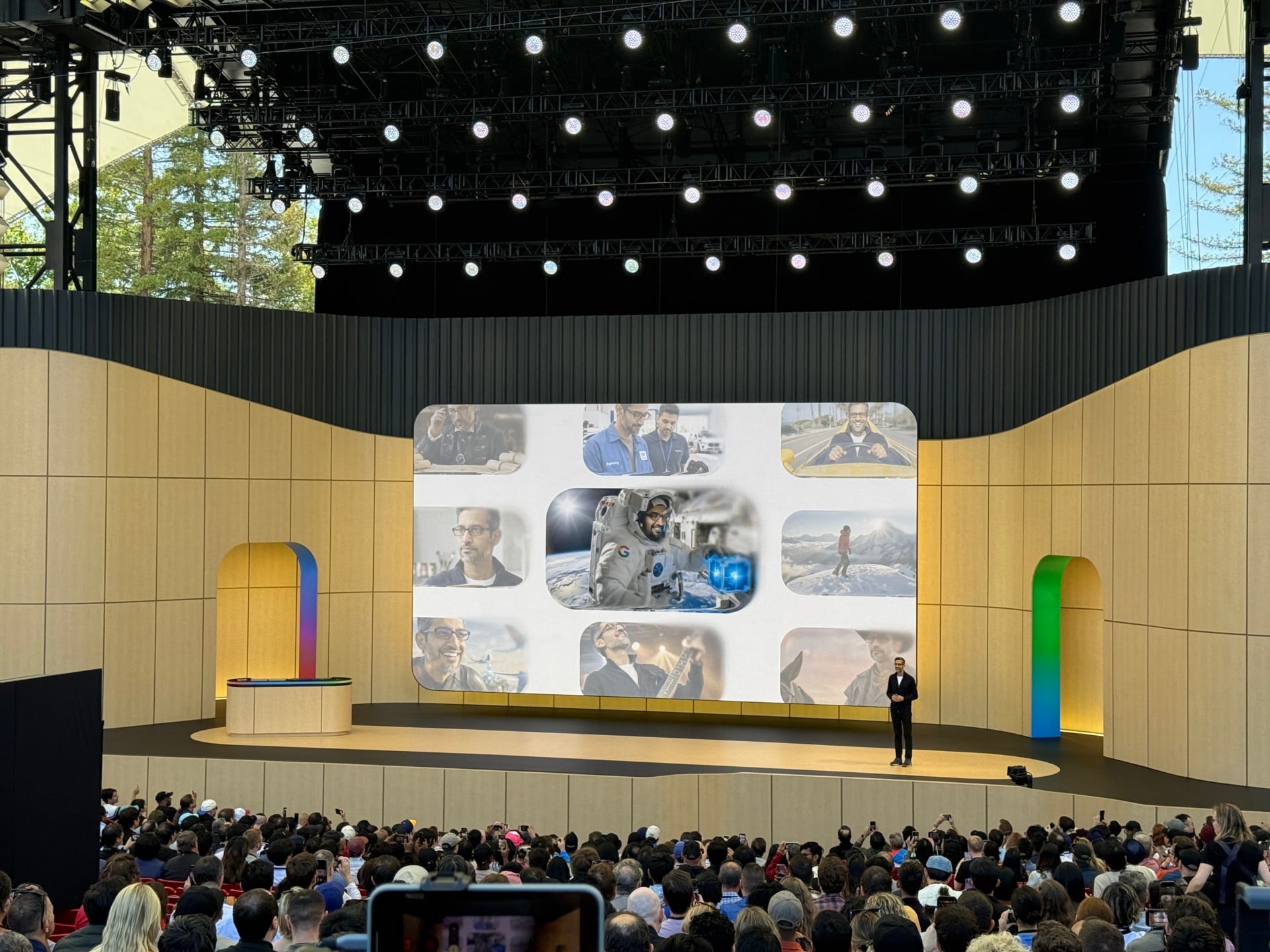
Alphabet CEO Sundar Pichai just stepped on stage to kick off I/O. He joked with a slide showing his “busy” year. Obviously, he did not go into space. The exec said that the company has made tremendous progress since Google pivoted to be AI-first. The company is now “tokenmaxxing” he joked. He also said that we’re all having much more natural conversations with Gemini within apps. But are we really? —Raymond Wong
Home Base Is Ready
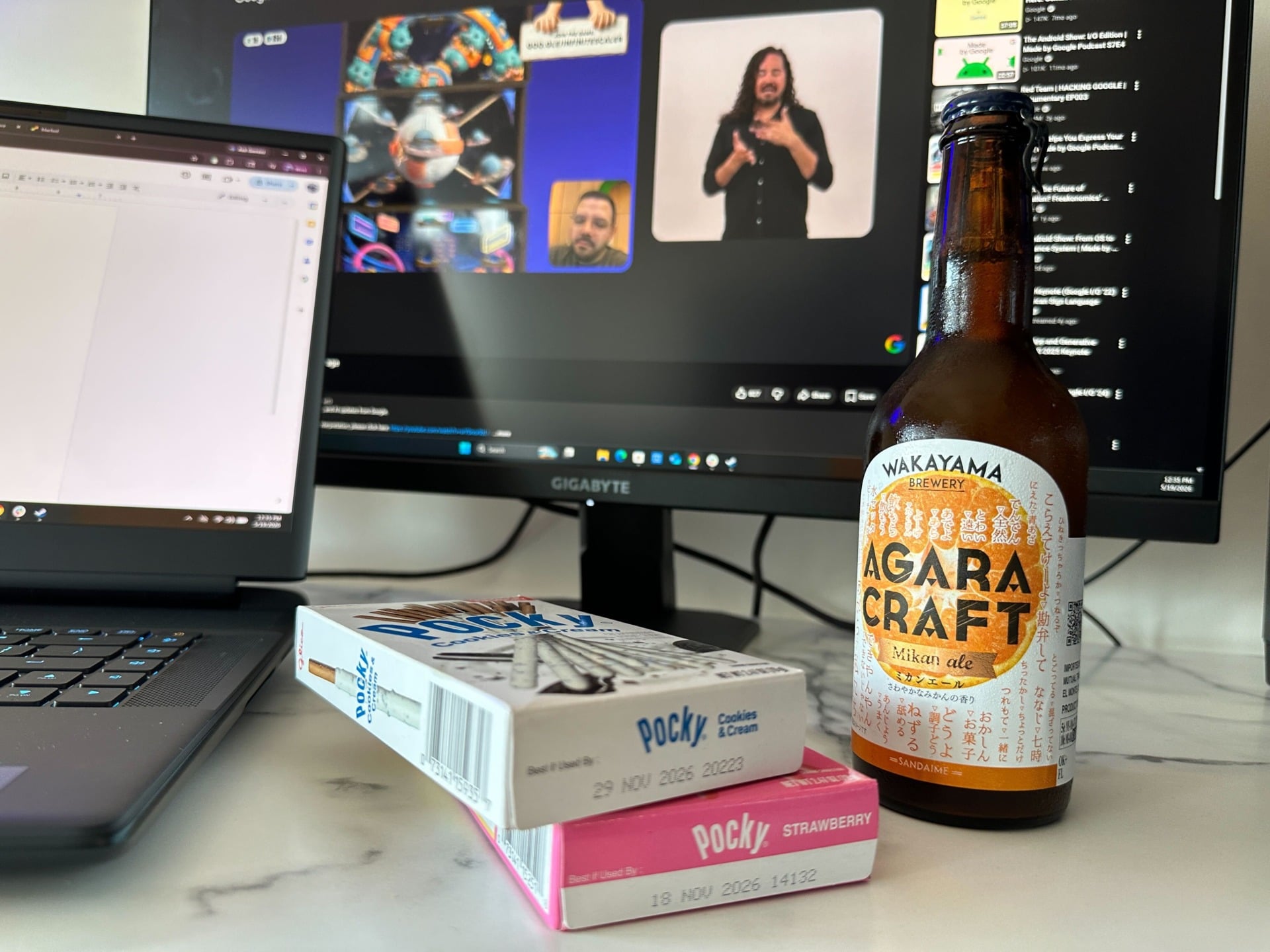
While I/O attendees were having a bad breakfast, I was having a lukewarm New York lunch before the keynote starts at 1 p.m. ET, 10 a.m. PT. The tonkatsu sandwich I absorbed was so dry and tasteless, I went back to the store to buy a few packets of Pocky and a brewski. I’m already setting the mood for what’s sure to be a liver-ruining number of AI announcements. —Kyle Barr
Ugh, AI-Generated Gaming Is Here
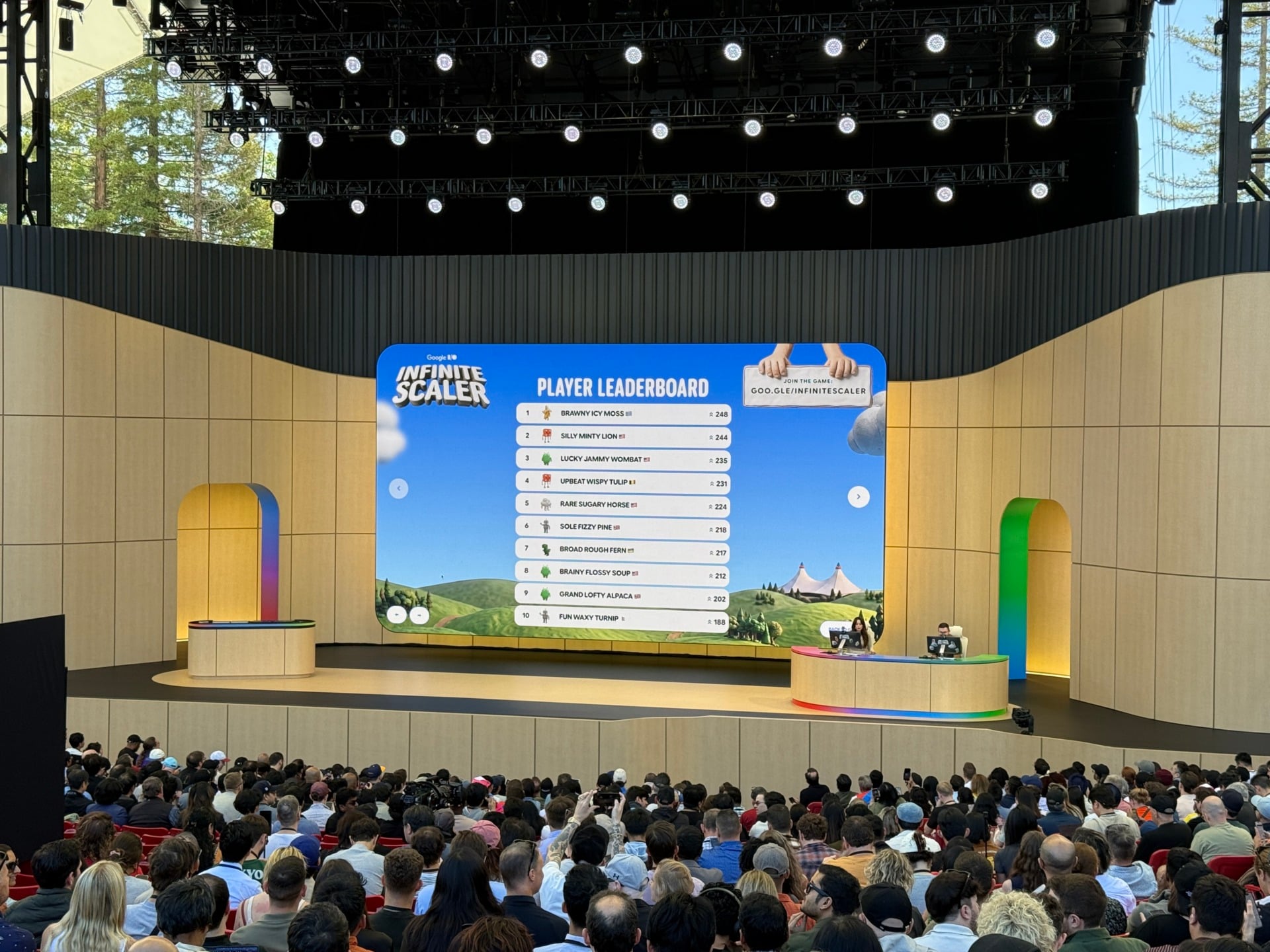
To get attendees amped up for the keynote, Google just invited everyone to play an AI-generated platformer game called Infinite Scaler. Everyone is competing for a high score.
Google is asking everyone to play an AI-generated game called Infinite Scaler pic.twitter.com/oepKBikTxg
— Ray Wong (@raywongy) May 19, 2026
Over 14,000 people from 157 countries apparently played the first round, and over 1,800 levels were generated. Did you make the leaderboard? —Raymond Wong
Breaking: The Breakfast Is Meh
I have bad news: the breakfast they’re serving attendees at Google I/O sucks. This black sesame vanilla swirl loaf slice? I took one bite of the pastry and couldn’t. The ube croissant was… edible. The coffee… awful.
Look, I’m grateful for the free brekkie, but Google used to serve wayyy better food at I/O. People travel from across the globe to come here. The least a company worth over $4 trillion could do is get better catering. Or, IDK, ask Gemini to order something better? Feels like a good use case to me. —Raymond Wong


Some Predictions
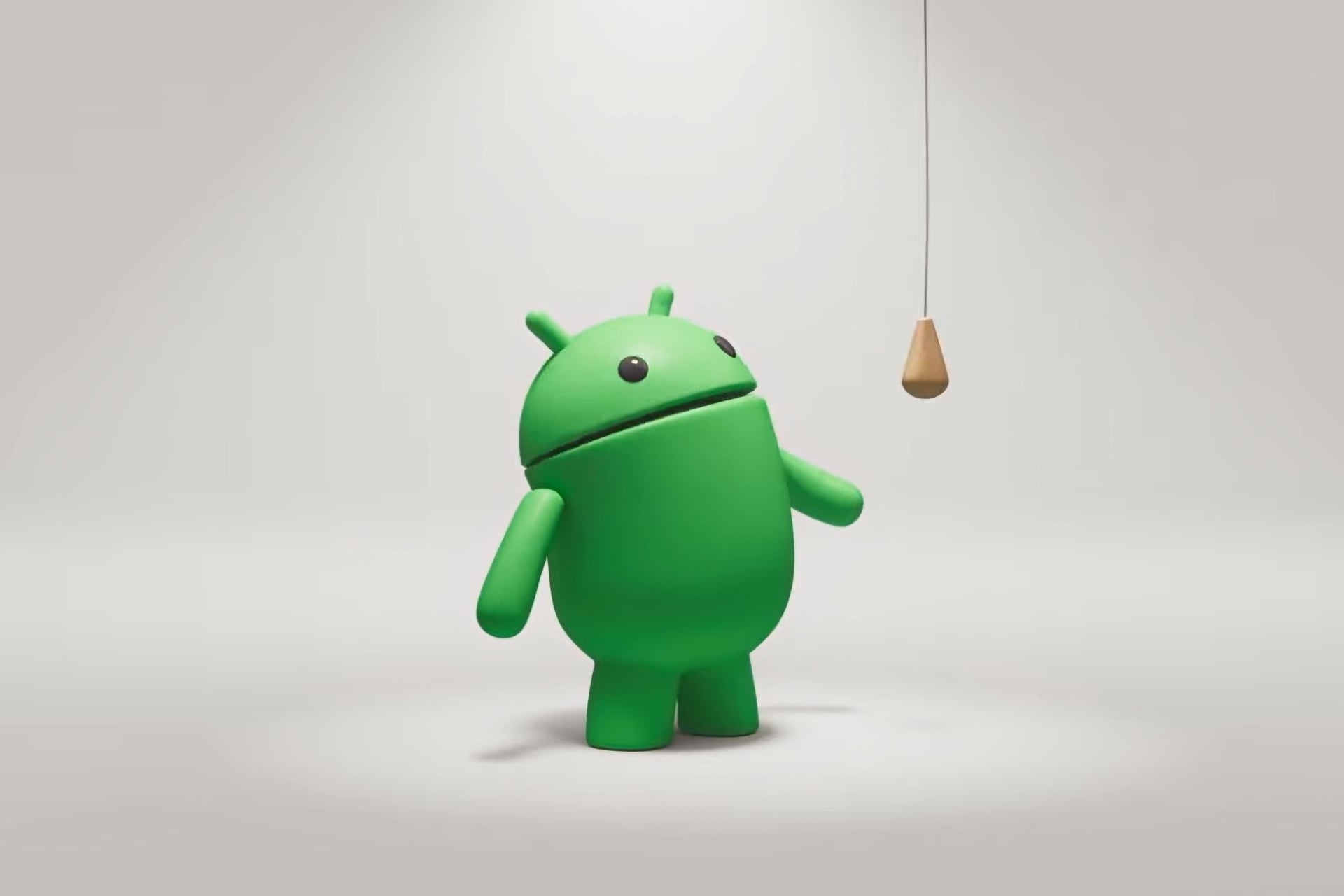
On the eve before the I/O keynote, I’ve rounded up the latest on what we’re expecting Google will announce. I’d bet money that Google will lean hard into Gemini. Google’s execs might even name-drop it more than mentioning the word AI. Get your bingo cards ready! —Raymond Wong
Ready for Tomorrow
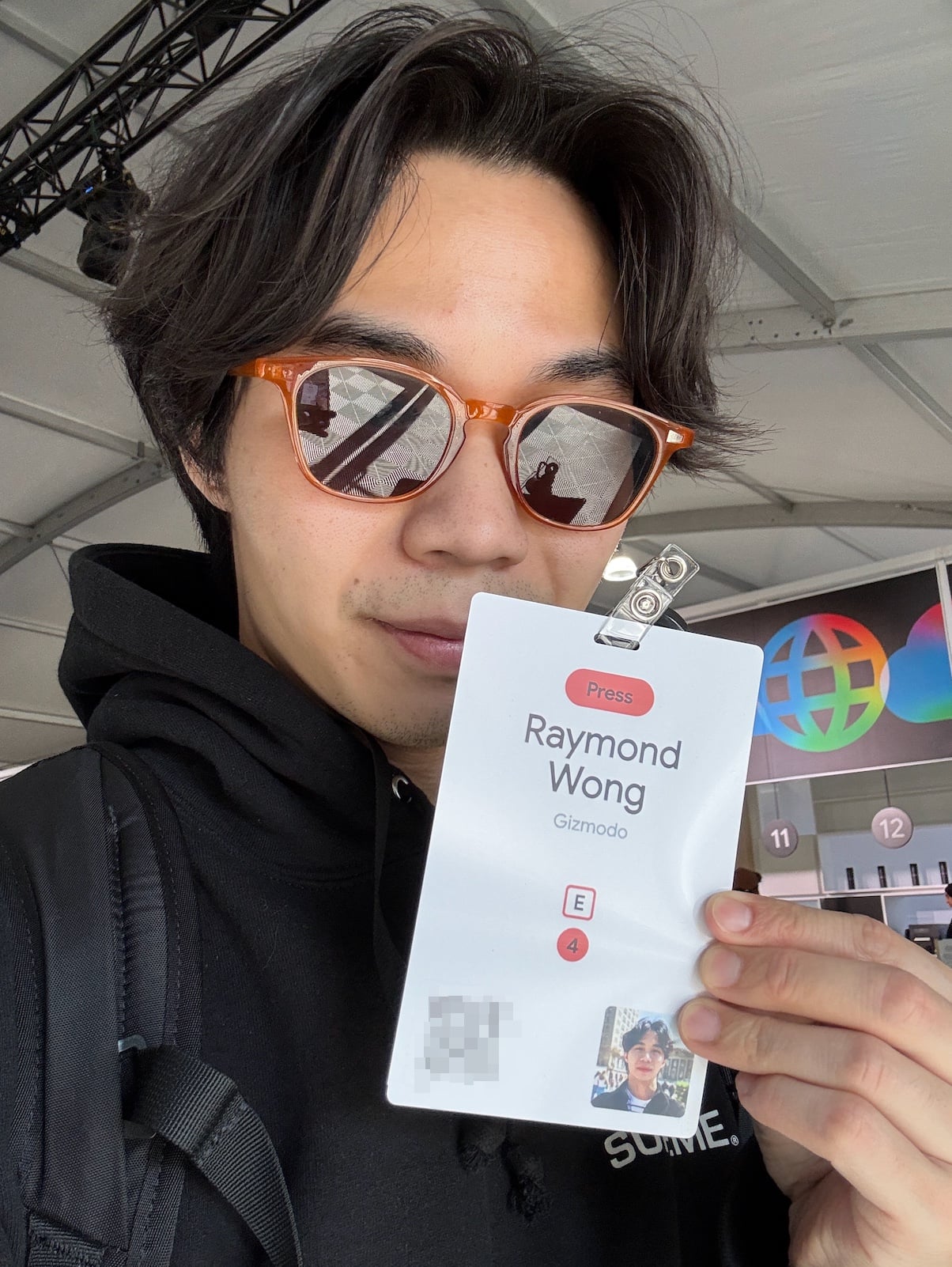
After two delays totaling three hours, my flight finally took off from New York City and landed in San Francisco. From there, I took the convenient Caltrain over to Mountain View to pick up my Google I/O 2026 badge. I’m tired, hungry, and need some rest before tomorrow’s big day! —Raymond Wong
Android Is Now an “Intelligence System”
In case it wasn’t clear: Google is shoving AI into everything. On The Android Show, Google’s president of the Android ecosystem, Sameer Samat, said that Android is transforming from an operating system to an “intelligence system,” powered by Gemini. “This means deeply understanding your context, anticipating your needs, and getting things done on your behalf.”
To convey that intelligence, Android 17 is getting a minor facelift to “animate with purpose” when Gemini Intelligence is listening, thinking, and creating. The OS—sorry, intelligence system—will also have more agentic functionality, aka the ability to do tasks for you, like allegedly purchase concert tickets. It all looks and sounds convenient in demos, but whether users will embrace it or not is the big question.
The new Android Auto experience will also adapt to more screen sizes and shapes—like round and hexagonal displays. Navigation gets a revamp with 3D Google Maps that show buildings, overpasses, and terrain around your car. Lanes and stop signs are highlighted as well. Android Auto also has other new stuff like widgets (weather, contacts, and smart home controls) and the ability to watch YouTube videos in supported cars.
Oh, and Google redesigned Android’s emoji so that they have more detail.
It’s no Liquid Glass overhaul, but I’m genuinely excited to check out the new version of Android for Google’s various platforms. —Raymond Wong
Goodbye Chromebooks and Hello Googlebooks?
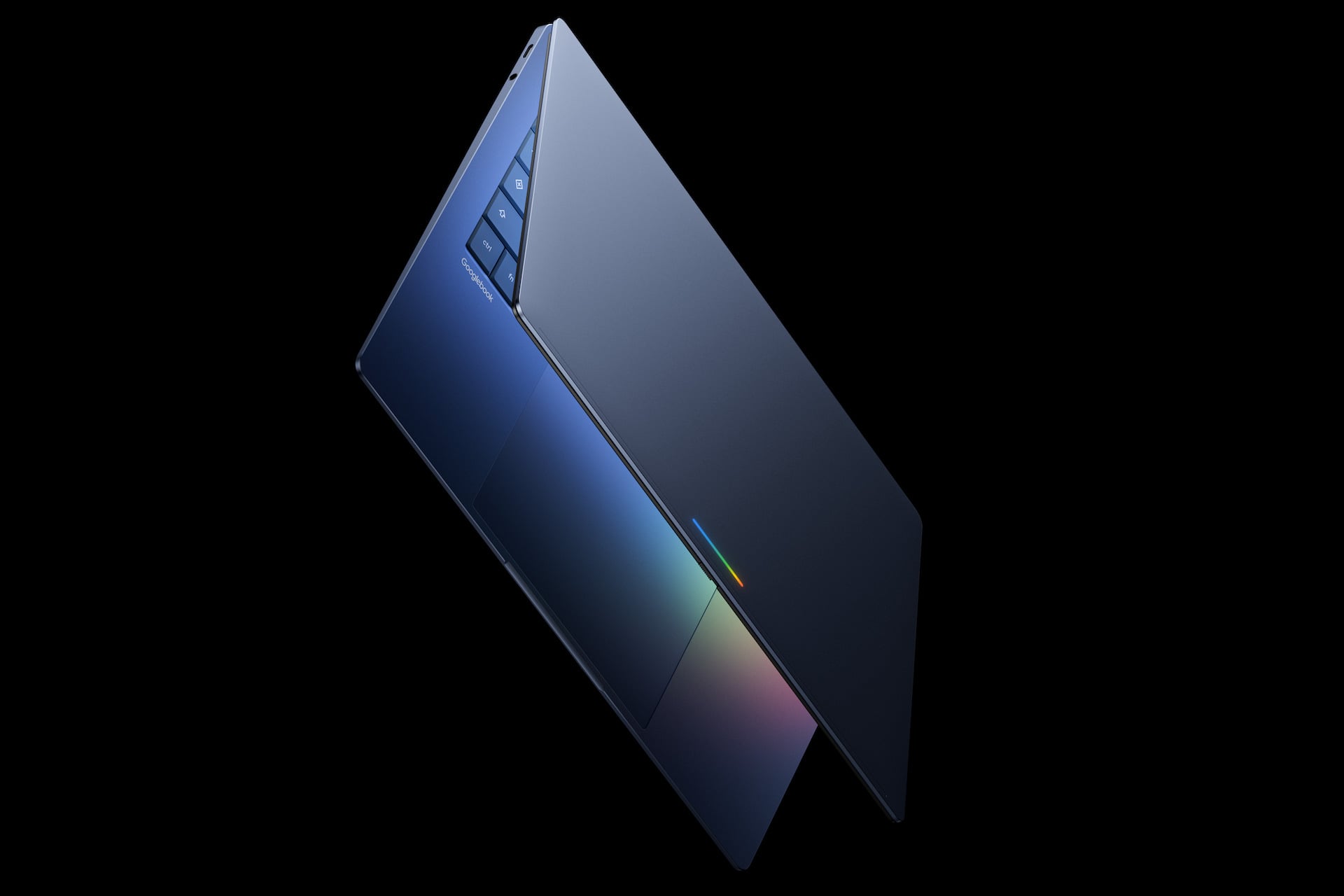
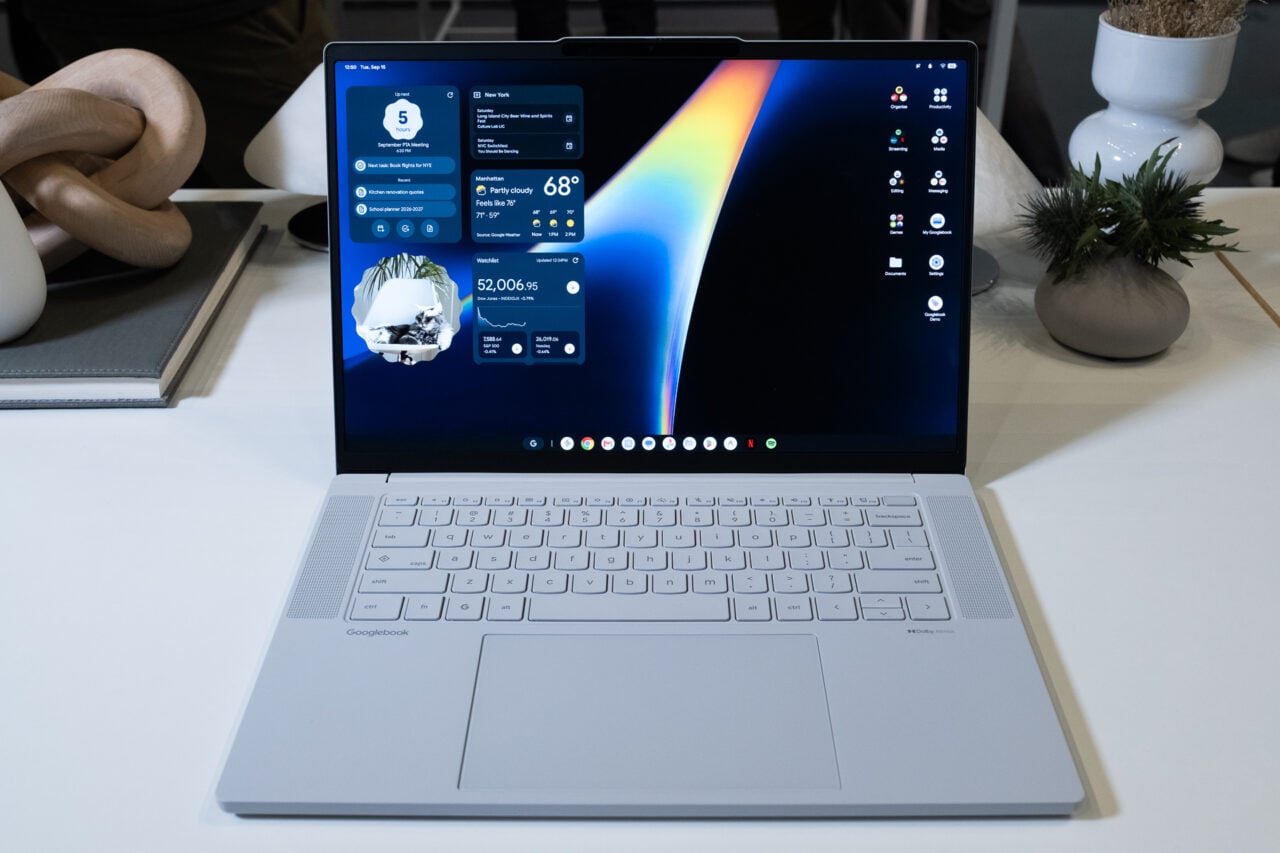
Ahead of I/O, Google announced a new generation of laptops called Googlebooks. No, Chromebooks aren’t going away, but these Googlebooks are the future—infused with lots of AI, of course.
There’s no official name yet, but Googlebooks will run on a “modern OS that’s designed for intelligence.” This operating system, codenamed “Aluminum OS,” combines Android and ChromeOS into one. Features like “Magic Pointer” will let you wiggle your mouse cursor to bring up AI tools to compare selected images or combine them together into one. Googlebooks will also work better with an Android phone, letting you mirror the device to its desktop or browse files on it.
Partners including Acer, Asus, Dell, HP, and Lenovo will be releasing Googlebooks, with the first ones arriving this fall. Maybe we’ll hear more about the new Googlebooks OS at I/O. —Raymond Wong